
Hokkaido Travel Guide
Hokkaido Travel Guide Ainu heritage, powder snow, summer flowers and fresh seafood. Best time to goDecember to March for skiing and the snow festival. July for lavender and mild summers. How long to stayFour to seven days. Hokkaido is large, […]
Hokkaido Travel Guide
Ainu heritage, powder snow, summer flowers and fresh seafood.
Hokkaido is Japan’s northernmost main island and its great outdoors. In winter, it has some of the world’s best powder snow. In summer, it offers flower fields, hiking and cool weather. Hokkaido also has a distinct history, shaped by the Ainu people.
This guide covers Hokkaido’s history and culture, its main areas, food and how to plan a trip.
A short history of Hokkaido
Hokkaido is the homeland of the Ainu, the indigenous people of northern Japan. For centuries, they lived by hunting, fishing and trade. Their culture has its own language, crafts and beliefs. In 2019, Japan formally recognized the Ainu as an indigenous people.
In 1869, the Meiji government named the island Hokkaido and began developing it. Settlers arrived from across Japan. Foreign advisors, many from the United States, helped plan farms and cities. As a result, Sapporo was laid out on a grid, and Western-style buildings appeared.
Heritage and history
Upopoy National Ainu Museum and Park
Upopoy opened in 2020 in Shiraoi, about an hour from Sapporo. It presents Ainu history, language, music and dance. A reconstructed village shows traditional houses and crafts.
Sapporo Clock Tower
The Sapporo Clock Tower was built in 1878 as part of the Sapporo Agricultural College. It is one of the city’s oldest buildings and a symbol of its pioneer era.
Otaru
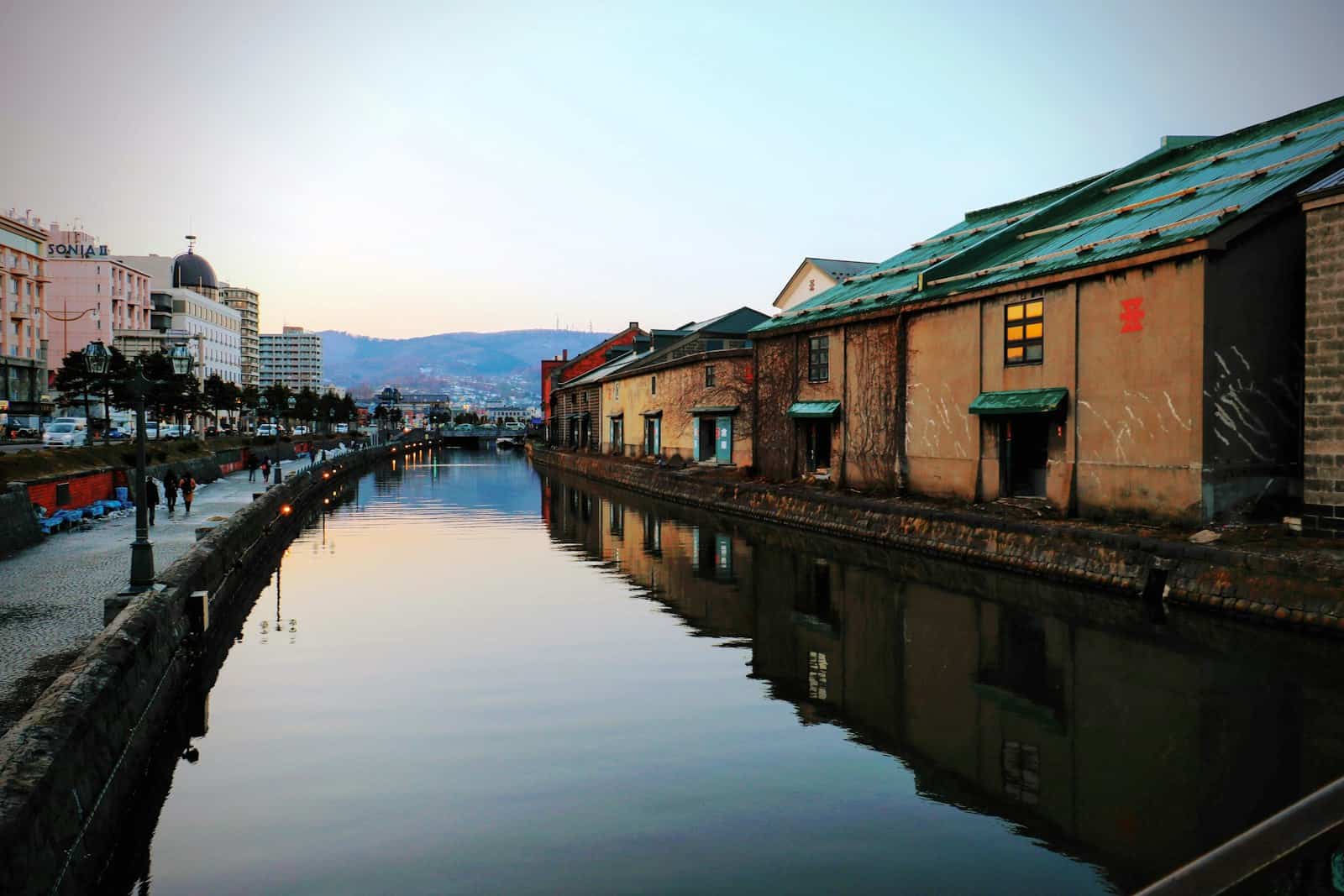
Otaru was a busy port and financial center in the early 1900s. Its canal is lined with old stone warehouses. Today, these hold glass workshops, music box shops and restaurants.
Hakodate and Goryokaku
Hakodate was one of Japan’s first ports opened to foreign trade in the 1850s. Its star-shaped fort, Goryokaku, was the site of the last battle of the Boshin War in 1869. In addition, the night view from Mt Hakodate is famous.
Seasons and nature
Winter: snow and skiing
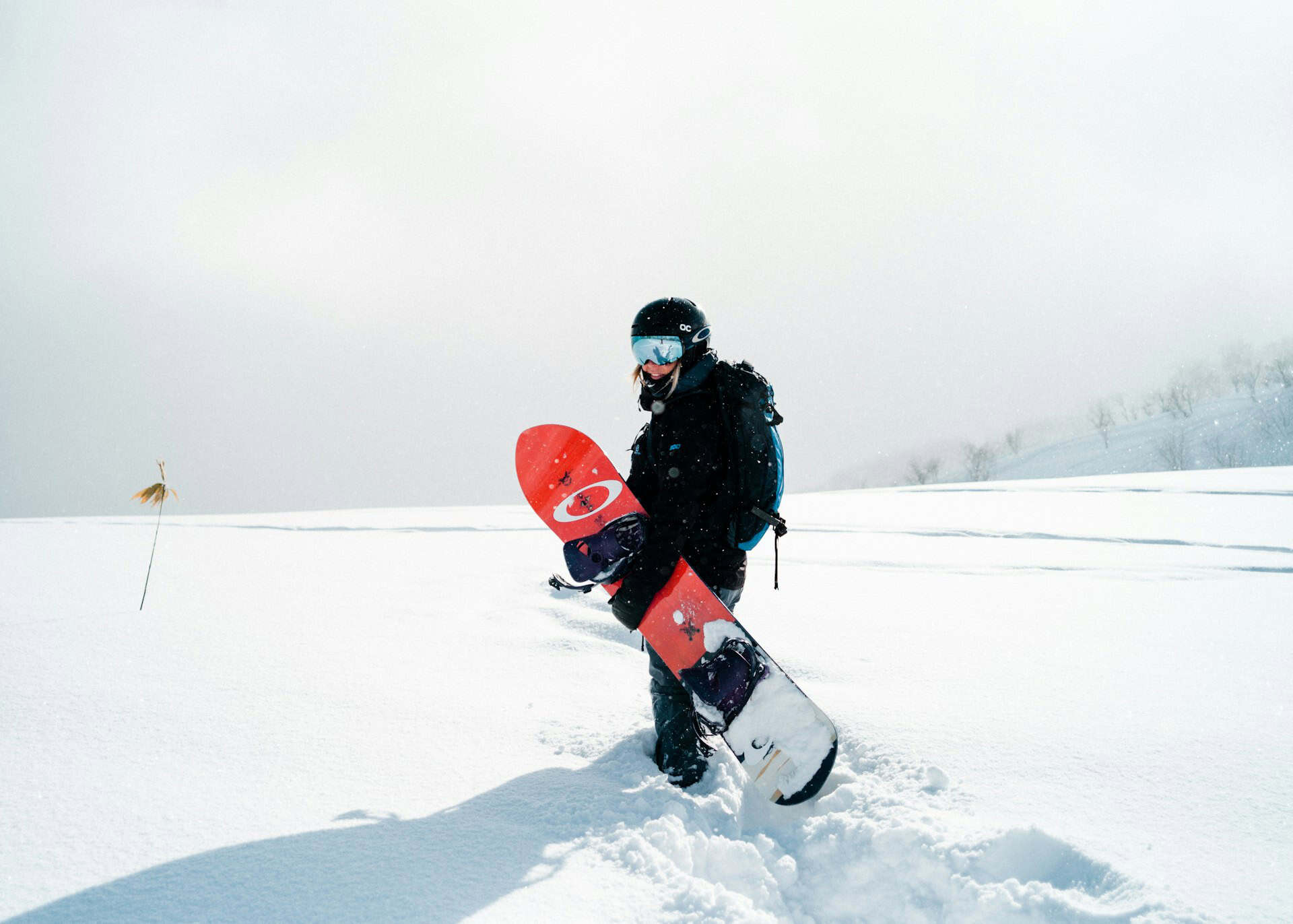
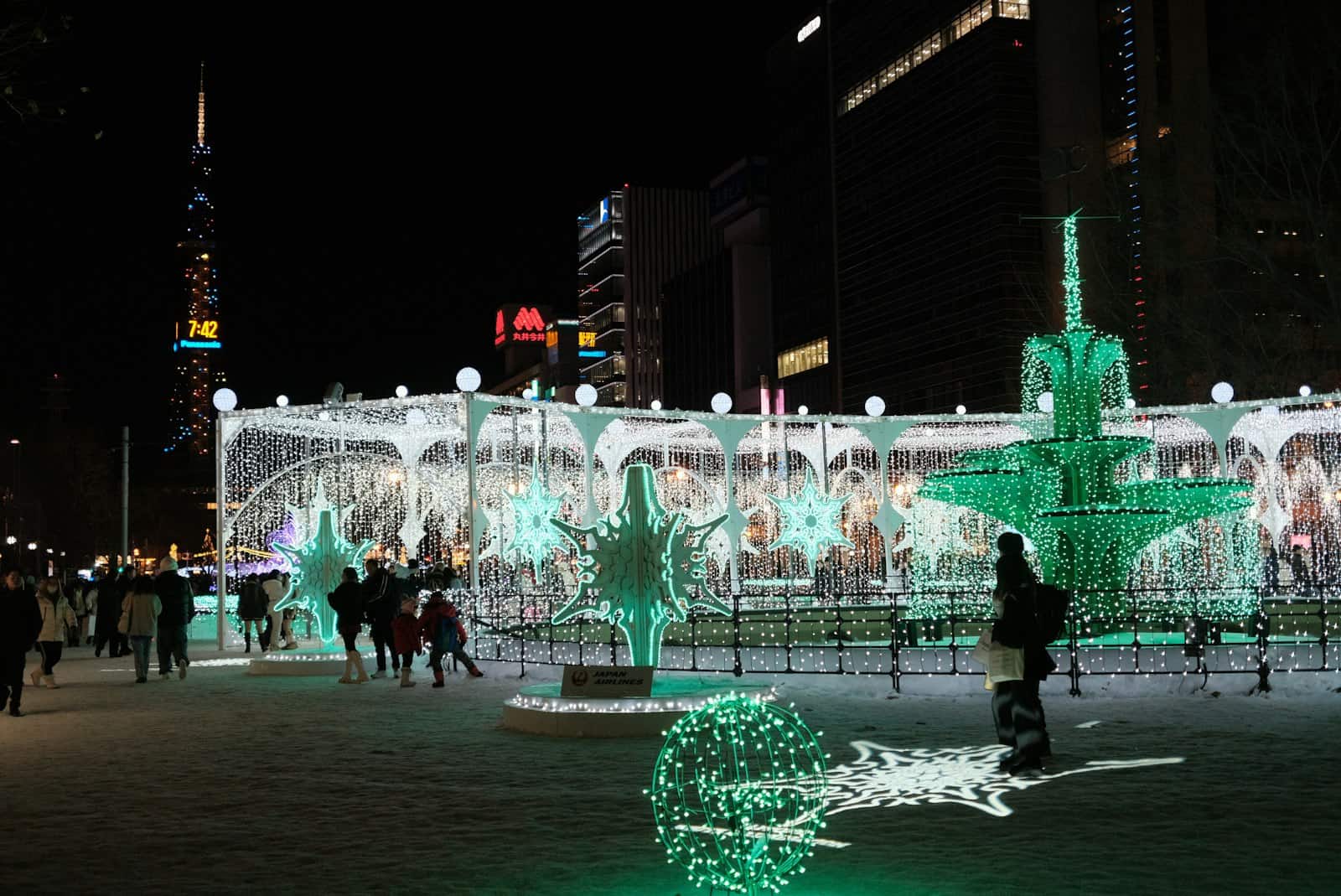
Niseko, Furano and Rusutsu are known for deep, dry powder snow. They suit skiers and snowboarders of all levels. In early February, the Sapporo Snow Festival fills the city with giant snow and ice sculptures.
Summer: flowers and hiking
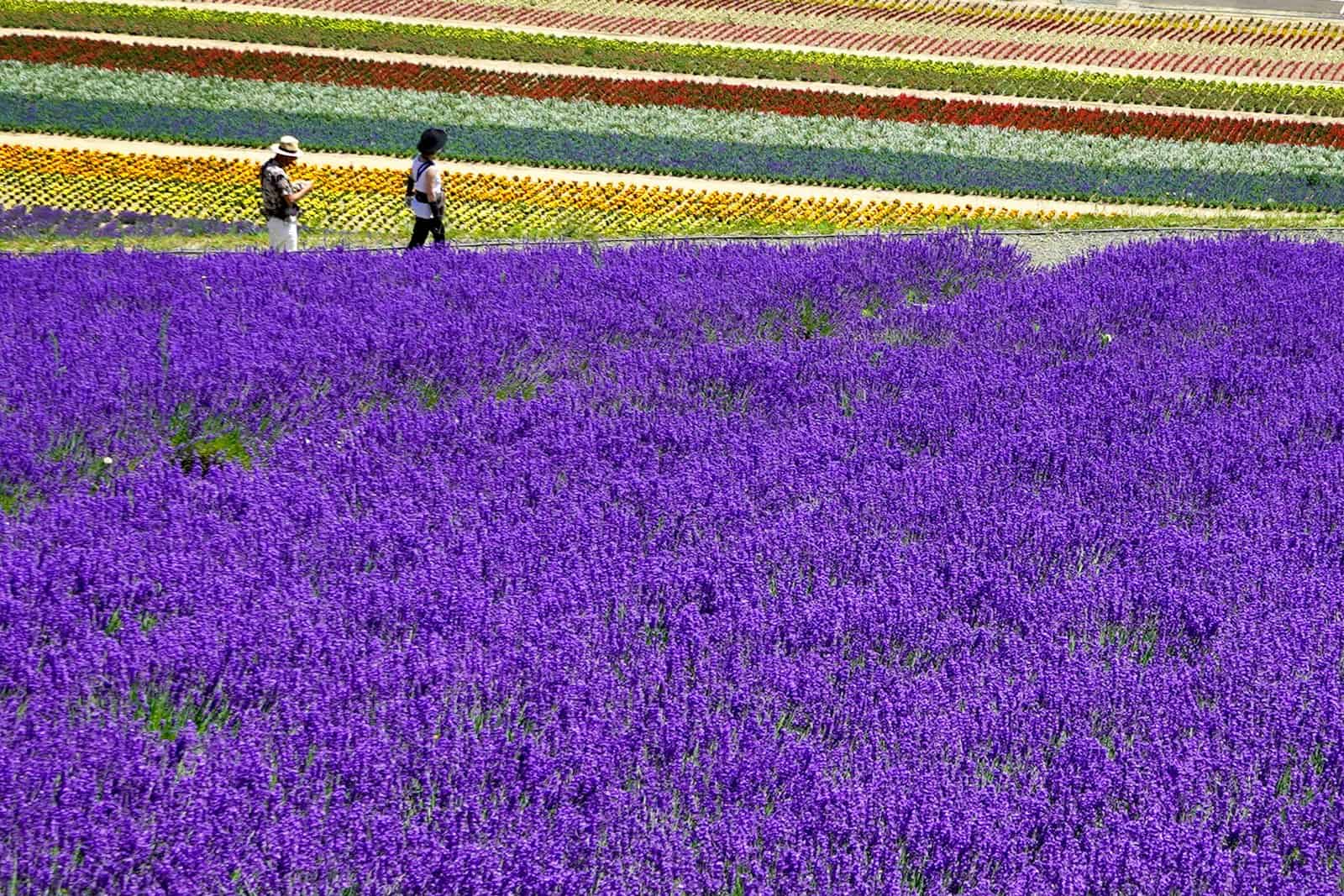
Furano and Biei are famous for lavender and flower fields, at their peak in July. Daisetsuzan National Park offers mountain hiking. Meanwhile, Shiretoko in the far east is a UNESCO World Natural Heritage Site with bears, whales and wild coastline.
Food to try in Hokkaido
- Miso ramen: Sapporo’s signature ramen, rich and warming.
- Jingisukan: grilled lamb, a Hokkaido specialty named after Genghis Khan.
- Seafood: crab, sea urchin and salmon roe, best at morning markets in Sapporo and Hakodate.
- Soup curry: a Sapporo favorite with vegetables in spiced broth.
- Dairy: fresh milk, cheese and soft-serve ice cream from Hokkaido farms.
Where to stay
Sapporo is the natural base for city sights, Otaru and Upopoy. In winter, ski travelers stay in Niseko or Furano. For summer flower trips, Furano and Biei are best.
Getting around
Hokkaido is large, and distances are longer than they look. Trains connect the main cities, while a private coach or car is better for rural areas. In winter, allow extra time for snow. For groups, we plan routes around weather and daylight.
Sample four-day itinerary
Day 1: Sapporo
Arrive at New Chitose Airport. Explore central Sapporo, then enjoy miso ramen for dinner.
Day 2: Ainu heritage
Visit Upopoy in Shiraoi. Then continue to the Noboribetsu hot springs for the night.
Day 3: Otaru
Return via Sapporo to Otaru. Walk the canal and visit the glass workshops.
Day 4: Season choice
In winter, ski at Niseko or Kiroro. In summer, visit the lavender fields of Furano instead.
Planning a ski trip, a snow festival group or a summer program? We arrange flights, coaches and ski logistics. Request a quote and we will reply within 24 hours.
Hokkaido travel FAQ
When is the best time to visit Hokkaido?
December to March for skiing and the Sapporo Snow Festival. July for lavender, flowers and mild weather.
Who are the Ainu?
The Ainu are the indigenous people of Hokkaido. Upopoy National Ainu Museum is the best place to learn about their history and culture.
How many days do you need in Hokkaido?
At least four days. Hokkaido is large, so focus on one or two areas.
Is Hokkaido good for skiing?
Yes. Niseko, Furano and Rusutsu are known worldwide for deep, dry powder snow.
How do you get to Hokkaido from Tokyo?
A domestic flight to New Chitose Airport takes about 90 minutes. Trains are also possible but take much longer.
Plan your Hokkaido trip
Private trips, group tours, school programs and incentives. Tell us your dates and ideas, and we will reply within 24 hours.