
Checklist for Japan
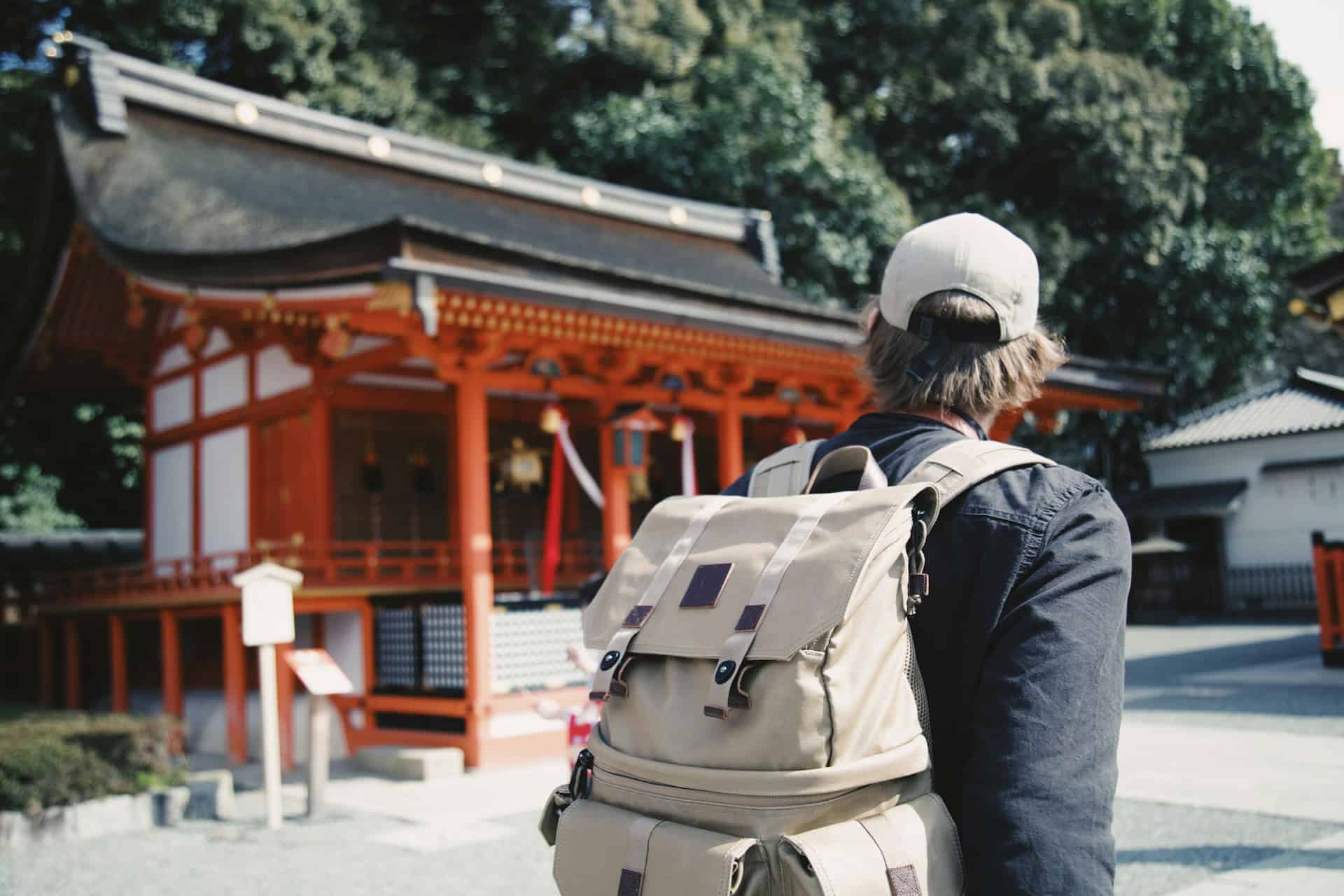
Japan Travel Checklist: What to Know and What to Pack
Entry rules, money, transport, packing and etiquette, in one place.
Updated October 2026
A good Japan travel checklist saves you stress before you fly. Japan is safe, punctual and easy to travel. However, a few rules catch first-time visitors out. For example, some common medicines are banned, cash still matters, and shopping tax refunds changed in November 2026.
To help, this guide covers everything in order. First, sort out your documents. Next, plan your money and transport. Then pack for the season. Finally, learn the etiquette that makes the trip smoother.
1. Before you book
First, check your passport. US citizens do not need a visa for tourist or business stays of up to 90 days. Even so, your passport must be valid for your whole stay. Many airlines also expect six months of validity, so renew early if you are close.
- Check your passport expiry date and keep at least one blank page.
- Confirm visa-free entry for your nationality on the Ministry of Foreign Affairs of Japan site.
- Read the US State Department page for Japan before you go.
- Buy travel insurance that covers medical care, cancellation and any activities you plan, such as skiing.
- Book a return or onward flight. Immigration officers can ask to see it.
Next, think about timing. Cherry blossom season, Golden Week (late April to early May) and autumn leaves fill hotels fast. Therefore, book flights and hotels three to six months ahead for those periods.
2. Entry and arrival
In general, Japan’s arrival process is quick if you prepare. Register on Visit Japan Web before you fly. It replaces the paper immigration and customs forms with QR codes. As a result, you skip most of the paperwork at the airport.
- Create a Visit Japan Web account and add each traveler.
- Fill in immigration and customs details a few days before departure.
- Save the QR codes as screenshots in case the airport Wi-Fi is slow.
- Expect fingerprints and a photo at immigration. This applies to all foreign visitors.
Departure tax
Note that Japan raised its international tourist tax on July 1, 2026. It is now roughly $20 per person per departure. In most cases, the airline adds it to your ticket price, so there is nothing to pay at the airport.
Tax-free shopping from November 2026
Since November 1, 2026, tax-free shopping works as a refund. You now pay the full price in the store, including tax. Then you claim the refund at customs when you leave Japan, before you check in. Keep your passport with you when you shop, because stores record each purchase against it.
Tip: keep tax-free purchases unopened and in your hand luggage or easy reach at the airport. Customs may ask to see them before approving the refund. Items used up in Japan do not qualify.
3. Money and payments
For the most part, cards work in most hotels, department stores and chain restaurants. Still, many small restaurants, shrines, temples and rural shops take cash only. For that reason, carry some yen every day.
- Withdraw cash at 7-Eleven, Lawson and FamilyMart ATMs. Most accept US cards.
- Tell your bank you are traveling and check foreign transaction fees.
- Bring a coin purse. Japan uses coins for small amounts, and you collect them quickly.
- Do not tip. Good service is standard, and a tip can cause confusion.
IC cards: Suica and PASMO
Simply put, an IC card is a rechargeable travel card. You tap it on trains, subways and buses. In addition, many convenience stores, vending machines and lockers accept it. Also, iPhone users can add Suica or PASMO to Apple Wallet before the trip. That way, you skip the ticket machine queue.
4. Getting around Japan
Above all, trains are the easiest way to travel between cities. The shinkansen (bullet train) links Tokyo, Kyoto, Osaka and Hiroshima in a few hours. Meanwhile, local trains and subways cover almost everywhere in the cities.
Is the Japan Rail Pass worth it?
The nationwide Japan Rail Pass went up in price on October 1, 2026. A 7-day ordinary pass now costs roughly $350. As a result, it only pays off if you make several long trips in a short time. For a simple Tokyo, Kyoto and Osaka loop, single tickets or a regional pass are often cheaper. Check the official Japan Rail Pass site for current prices and rules.
Send your luggage ahead
However, Japanese trains have limited space for large suitcases. Some shinkansen routes also require a reservation for oversized bags. Instead, use luggage forwarding, called takkyubin. Your hotel front desk can send a suitcase to your next hotel, usually by the next day. You then travel with a small overnight bag.
Traveling as a group or with a tour operator? We arrange private coaches, reserved train seats and luggage transfers as part of every program. Ask us for a quote.
5. What to pack for Japan
Above all, pack light. Hotel rooms in Japan are often small, and you will climb stairs at many stations. For most trips of up to two weeks, a carry-on case and a day bag are enough. This works especially well with luggage forwarding.
Essentials for every season
- Passport, printed hotel confirmations and your insurance details.
- Comfortable walking shoes that slip on and off easily, since you remove shoes often.
- Clean socks without holes, for temples, ryokan and some restaurants.
- Small towel or handkerchief, because many restrooms have no paper towels.
- Spare bag for your own trash, since public bins are rare.
- Day bag that fits a water bottle and an umbrella.
- Medicines in original packaging, with a doctor’s letter if needed.
Japan packing list by season
| Season | Weather | What to pack |
|---|---|---|
| Spring (March to May) | Mild days, cool evenings | Light layers, a light jacket, a compact umbrella |
| Summer (June to August) | Rainy June, then hot and humid | Breathable clothes, sun hat, sunscreen, a portable fan, rain gear |
| Autumn (September to November) | Warm September, crisp November | Layers, a medium jacket, comfortable shoes for leaf walks |
| Winter (December to February) | Cold, with heavy snow in Hokkaido and the Alps | Warm coat, thermals, gloves, waterproof boots for snow regions |
Typhoon season runs from roughly August to October. Therefore, keep a flexible day in your plan and check forecasts before long transfers.
6. Medicine rules for Japan
In fact, this is the most important section for many US travelers. Japan bans some medicines that are legal at home. For example, stimulant ADHD medication such as Adderall is prohibited, even with a prescription. Many cold and sinus products that contain pseudoephedrine, such as Sudafed and some NyQuil products, are also banned.
- Bring up to a one-month supply of permitted prescription medicine for personal use.
- Bring up to a two-month supply of permitted over-the-counter medicine and vitamins.
- Apply for an import certificate (Yunyu Kakunin-sho) if you need more. Allow several weeks.
- Carry a doctor’s letter that lists each medicine and why you take it.
- Keep everything in its original, labeled packaging.
Rules change. Check the Ministry of Health, Labour and Welfare before you travel, and ask your doctor if you are unsure about a medicine.
7. Phone, internet and power
In short, staying online makes Japan much easier. Maps, train apps and translation tools all need data. There are three common options.
- An eSIM, which you install before you fly. This suits most recent phones.
- Your US carrier’s international plan. It is simple, although often more expensive.
- A pocket Wi-Fi router, which suits families or groups sharing one connection.
Fortunately, Japan uses type A plugs, the same two flat pins as the US. The voltage is 100V, slightly lower than the US. Phones, laptops and cameras work without an adapter. However, high-power items such as some hair dryers may not perform well.
In addition, a few apps help a lot. Use Google Maps for train routes and Google Translate’s camera for menus and signs. The JNTO Japan Official Travel App is also useful.
8. Etiquette essentials
Overall, Japanese etiquette is about consideration for others. Visitors are not expected to be perfect. Still, a few habits earn real goodwill.
- Take off your shoes when you see a raised floor or slippers at an entrance.
- Keep your voice low on trains, and set your phone to silent.
- Queue on the marked lines at train platforms.
- Avoid eating while walking in busy streets.
- Wash fully before you enter an onsen (hot spring) bath. Some onsen do not allow tattoos, so check first.
- Ask before you photograph people, especially geiko and maiko in Kyoto.
Japan travel checklist FAQ
Do US citizens need a visa for Japan?
No. US citizens can visit Japan without a visa for tourism or business for up to 90 days. Your passport must be valid for your entire stay.
What is Visit Japan Web?
Visit Japan Web is the official online service for immigration and customs forms. You register before you fly and show QR codes on arrival, instead of filling in paper forms.
How does tax-free shopping work in Japan now?
Since November 1, 2026, you pay the full price including tax in the store. You then claim the refund at customs when you leave Japan, before you check in for your flight. Bring your passport when you shop.
Should I bring cash to Japan?
Yes. Cards are widely accepted in cities, but many small restaurants, temples and rural shops take cash only. Convenience store ATMs accept most US cards.
Is the Japan Rail Pass worth it in 2026?
Only for itineraries with several long train journeys. After the October 2026 price rise, single tickets or regional passes are often cheaper. This is especially true for a Tokyo, Kyoto and Osaka trip.
Can I bring my medication to Japan?
Usually yes, within limits. Stimulants such as Adderall and products containing pseudoephedrine are banned. Bring up to one month of permitted prescription medicine, keep it in original packaging, and carry a doctor’s letter.
Do I need a plug adapter in Japan?
Usually not. Japan uses the same type A plug as the US. The voltage is 100V, which suits phones, laptops and camera chargers.
Should I tip in Japan?
No. Tipping is not part of Japanese culture. Excellent service is standard and already included.
Sources: Ministry of Foreign Affairs of Japan, US Department of State, JNTO, Japan Rail Pass and Ministry of Health, Labour and Welfare. Always confirm current rules before you travel.
Planning a trip to Japan?
Asahi Travel Group designs tailor-made Japan journeys for travelers, groups and travel agencies. Tell us your dates and ideas, and we will reply within 24 hours.
Request a Quote