Autumn · Group travel guide
Planning a Fall Foliage Onsen Trip for Groups
Autumn colour and hot springs make one of Japan’s most requested seasonal combinations. For a group, however, the trip depends on more than the scenery. Ryokan capacity, bathing rules and holiday weekends shape every decision.
This guide is for tour operators, travel agencies and organisers who bring groups of 20 or more to Japan. It explains how an autumn onsen tour in Japan comes together. It also covers when each region peaks and what to settle with ryokan before confirming.
Where Groups Go for Autumn Onsen
Autumn colour moves south and downhill over roughly ten weeks. As a result, organisers can choose a region to match their travel dates.
Tohoku: October
In Aomori, Oirase Gorge colours from mid-October near Lake Towada. The lower stretch then follows into early November. Further south, in Miyagi, Naruko Gorge usually peaks from late October to early November. Naruko Onsen sits close to the gorge. A group can therefore walk the colour and bathe in the same town.
Nikko: October
Nikko is a classic autumn trip north of Tokyo. Colour starts high up, around Yumoto in Okunikko, in early October. Then it reaches Lake Chuzenji in mid to late October. Finally, the Irohazaka road turns between mid-October and early November.
Hakone: November
Hakone suits groups starting or ending in Tokyo. According to Hakone’s official tourism site, many leading spots in Sengokuhara and Gora are best from early to mid-November.
Kyoto: mid-November to early December
Kyoto usually peaks from mid-November into early December. The second half of November is generally the safest window. However, this is also when hotels sell out and temples are busiest. For that reason, many groups pair a Hakone onsen stay with Kyoto, travelling between the two by Shinkansen.
Timing Around Peak Koyo Weekends
Japanese travellers fill onsen towns on autumn weekends. Three national holidays make this pressure stronger:
- Sports Day: the second Monday of October, creating a three-day weekend.
- Culture Day: November 3.
- Labour Thanksgiving Day: November 23.
When these fall next to a weekend, ryokan rates rise and roads slow down. In Nikko, for example, traffic on the climb to Lake Chuzenji is often heavy from mid-October to early November. Therefore, groups do best arriving midweek and avoiding holiday Saturdays altogether.
Foliage forecasts also shift from year to year. As a rule, organisers should hold dates around the typical peak and confirm closer to travel.
Sample Group Routes
Two outlines show how a group trip can follow the season. Each line is one day.
Late October: Nikko and Tohoku, six days
- Day 1: Tokyo to Nikko by rail, afternoon at the shrines, ryokan night.
- Day 2: Early coach to Lake Chuzenji and Okunikko, before the traffic builds.
- Day 3: Transfer north to Naruko Onsen, evening bathing.
- Day 4: Morning walk at Naruko Gorge, then continue towards Aomori.
- Day 5: Oirase Gorge walk, night near Lake Towada.
- Day 6: Return to Tokyo by Shinkansen.
Mid-November: Hakone and Kyoto, five days
- Day 1: Tokyo to Hakone, ryokan check-in and group dinner.
- Day 2: Sengokuhara and Gora gardens, second ryokan night.
- Day 3: Shinkansen to Kyoto, afternoon temple visit.
- Day 4: Early start at a major foliage temple, then a quieter garden.
- Day 5: Departure.
Booking Ryokan for 20 or More
Rooms and rooming lists
Most ryokan rooms are Japanese-style rooms that sleep two to five guests on futons. Groups therefore fill fewer rooms than in a Western hotel, but travellers need to accept sharing. Single occupancy is often limited or expensive. Consequently, organisers should finalise the rooming list before contracting.
Shared and private baths
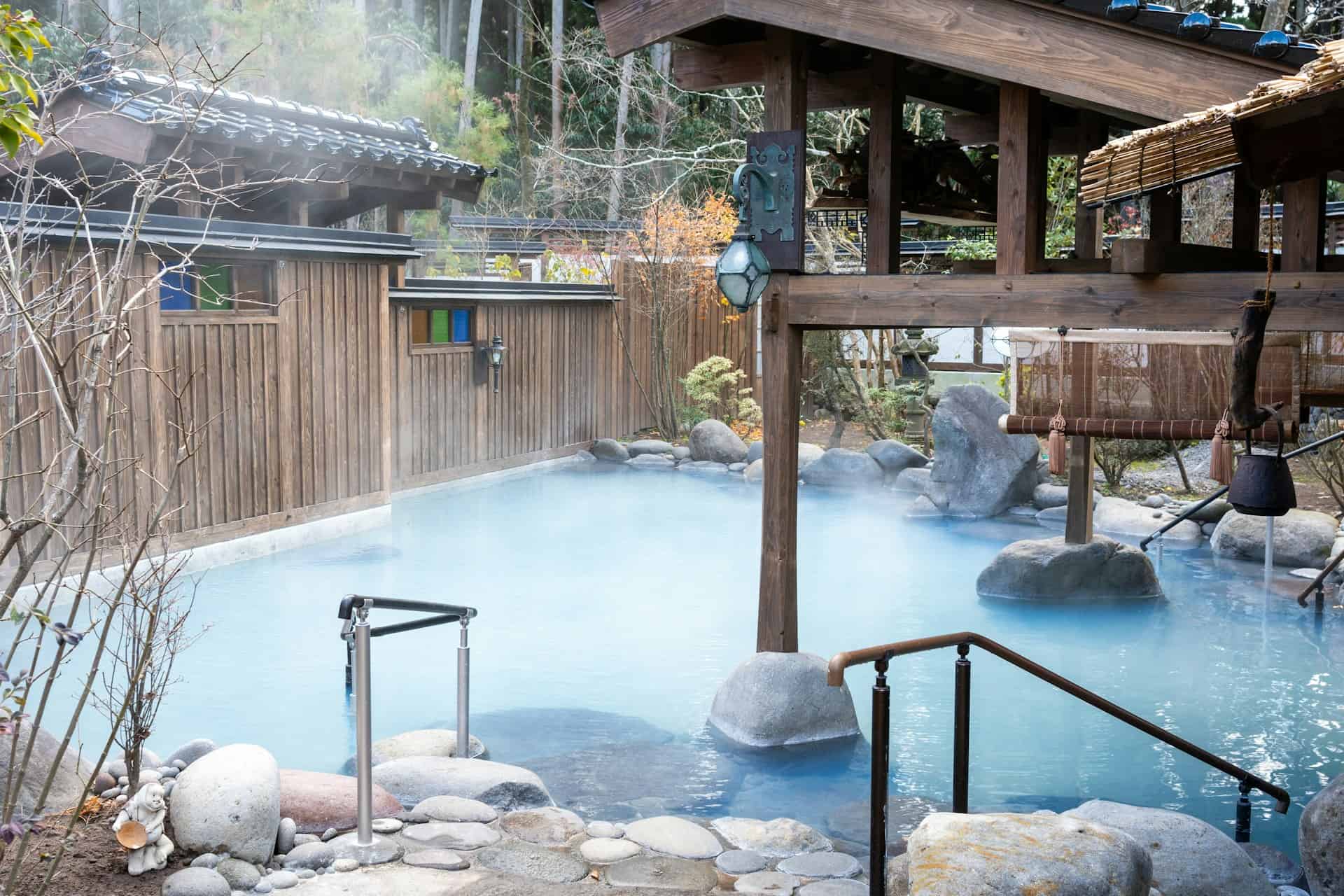
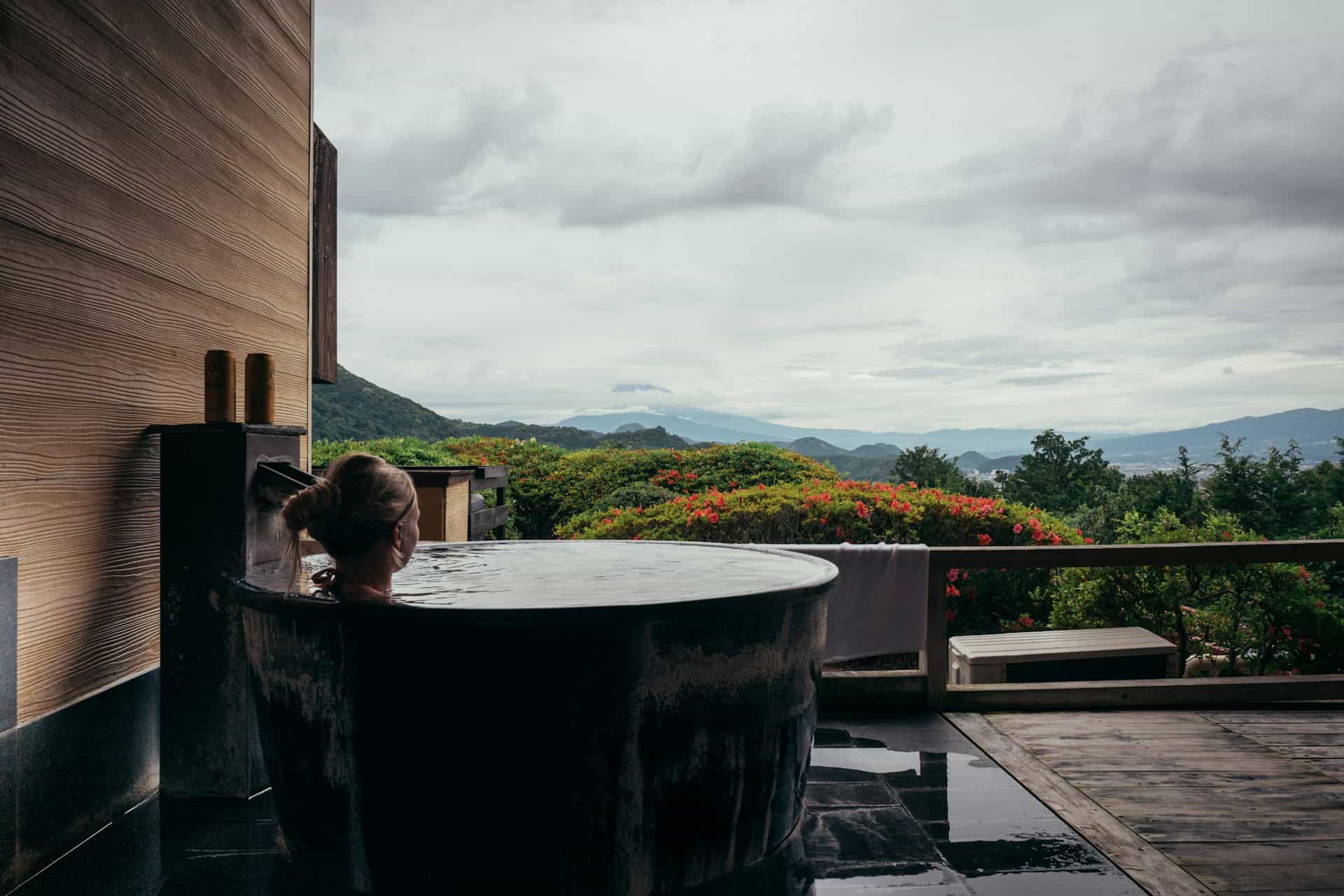
Most ryokan have large shared baths separated by gender. Some swap the men’s and women’s baths overnight, so guests can try both. Many properties also offer private baths, known as kashikiri, booked by time slot. For a group, staggering bath times avoids crowding just before dinner.
Tattoo rules
Tattoo policies differ from property to property. In a 2015 Japan Tourism Agency survey, 56 percent of responding hotels and ryokan refused guests with tattoos. Another 31 percent accepted them, and 13 percent allowed them if covered. Since then, the agency has encouraged cover stickers, set bathing times and private baths as solutions. Organisers should therefore ask travellers discreetly in advance and confirm each property’s policy in writing.
Group dining
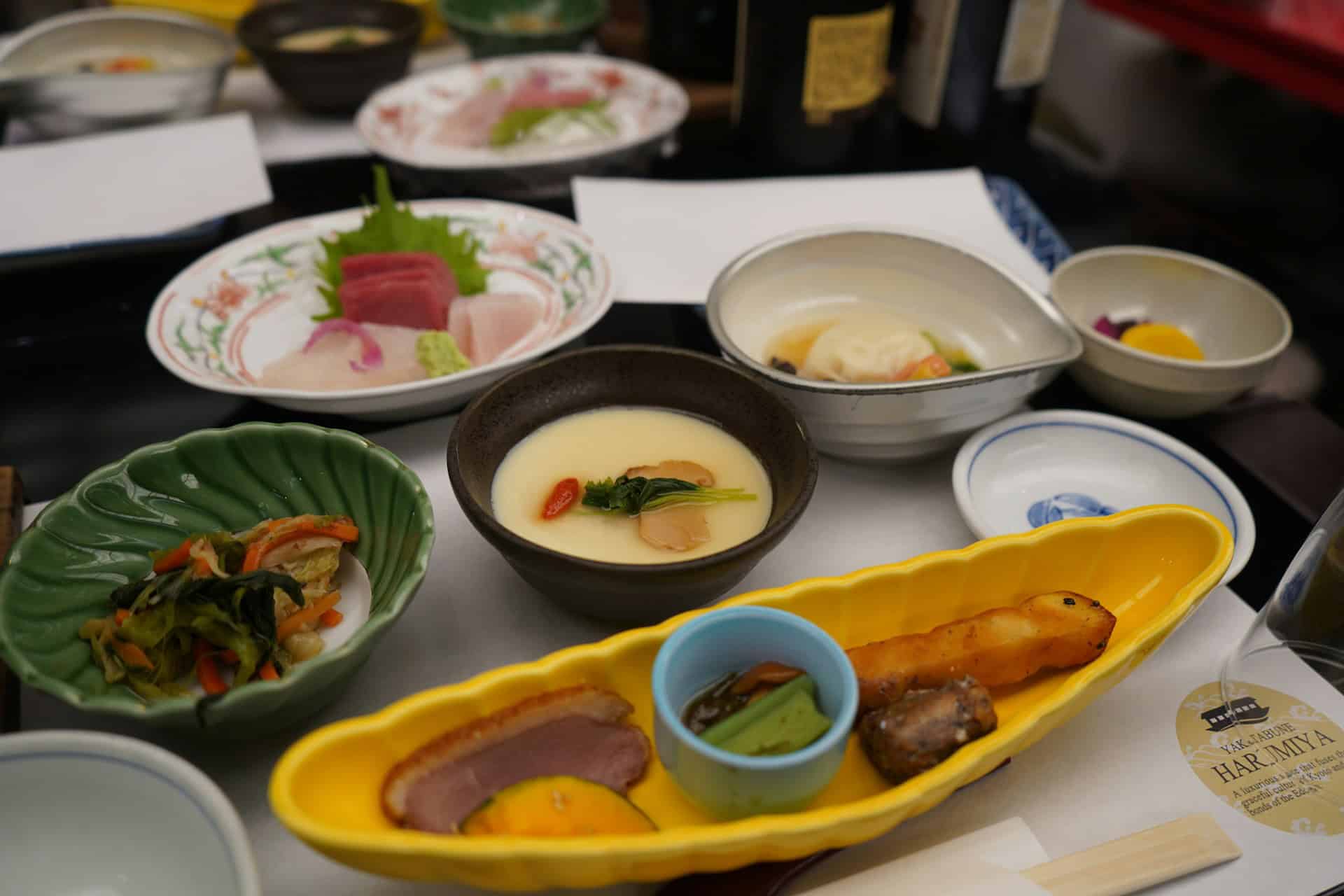
Dinner at a ryokan is usually a multi-course kaiseki meal served at a fixed time. Groups often eat together in a private banquet room rather than in guest rooms. Dietary needs, such as vegetarian, halal or allergy requirements, must reach the kitchen well ahead. Similarly, breakfast times may be fixed, which affects early departures.
Questions to Settle with Each Ryokan
Before confirming a group, organisers benefit from a written answer to each point below. In practice, these details cause most on-the-day problems.
- Room mix: how many rooms of each type, and how many guests each one sleeps.
- Bath hours: when the shared baths open and close, and whether they switch overnight.
- Private baths: how many kashikiri baths exist, and whether groups can pre-book slots.
- Tattoo policy: the exact rule for shared baths, and whether guests may use cover stickers.
- Dinner format: banquet room or in-room service, plus the latest possible start time.
- Dietary needs: which requirements the kitchen can meet, and the deadline for final lists.
- Accessibility: lifts, step-free routes and Western-style rooms for guests who prefer beds.
- Coach arrival: where a full-size coach can stop, and whether staff help with luggage.
Once these answers are in writing, the rooming list and the daily schedule become far easier to manage. Above all, they let the tour leader brief travellers accurately before arrival.
Practical Notes
- Luggage: Many groups send large cases ahead by courier and carry small overnight bags. As a result, coach loading and ryokan stairs become easier.
- Coach access: Some onsen towns have narrow streets. Confirm coach drop-off and parking with each property.
- Driver hours: Japan tightened coach driver working-hour rules in April 2024, so very long touring days need planning.
- Etiquette briefing: A short talk on washing before bathing and bath manners helps first-time visitors settle in.
Organisers planning an autumn onsen trip can request a quote from Asahi Travel Group. Replies arrive within 24 hours.
Plan this trip with Asahi
Tell us your group size and dates. We reply within 24 hours.
Request a Quote← All guides