
Takayama and Shirakawa-go Travel Guide
Takayama and Shirakawa-go Travel Guide Merchant streets, morning markets and a UNESCO village of thatched farmhouses. Best time to goApril and October for the Takayama Festival. January and February for snowy Shirakawa-go. How long to stayTwo days. Stay one night […]
Takayama and Shirakawa-go Travel Guide
Merchant streets, morning markets and a UNESCO village of thatched farmhouses.
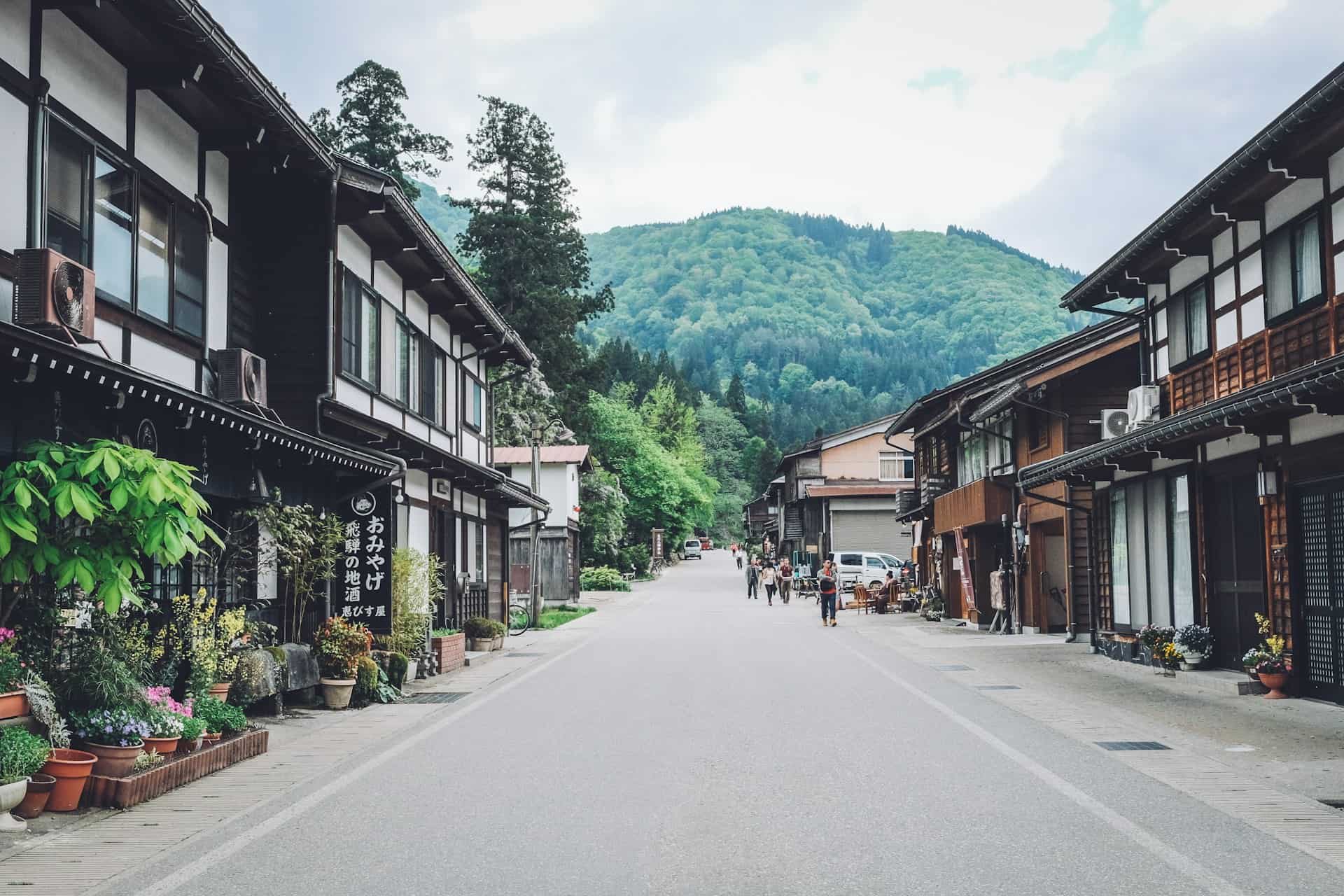
Takayama and Shirakawa-go show a side of Japan that many visitors miss. Here, in the mountains of the Hida region, wooden merchant houses, sake breweries and thatched farmhouses survive. As a result, this is one of the best places in Japan to see traditional rural life.
This guide covers the region’s history, the historic sites and festivals, food, and how to plan a visit.
A short history of Takayama and Shirakawa-go
Takayama grew as a castle town in the late 1500s. In 1692, the shogunate took direct control of the Hida region for its timber and resources. From then on, officials governed from the Takayama Jinya, and merchants grew wealthy. Hida carpenters were famous across Japan, and their skill shows in the town’s buildings.
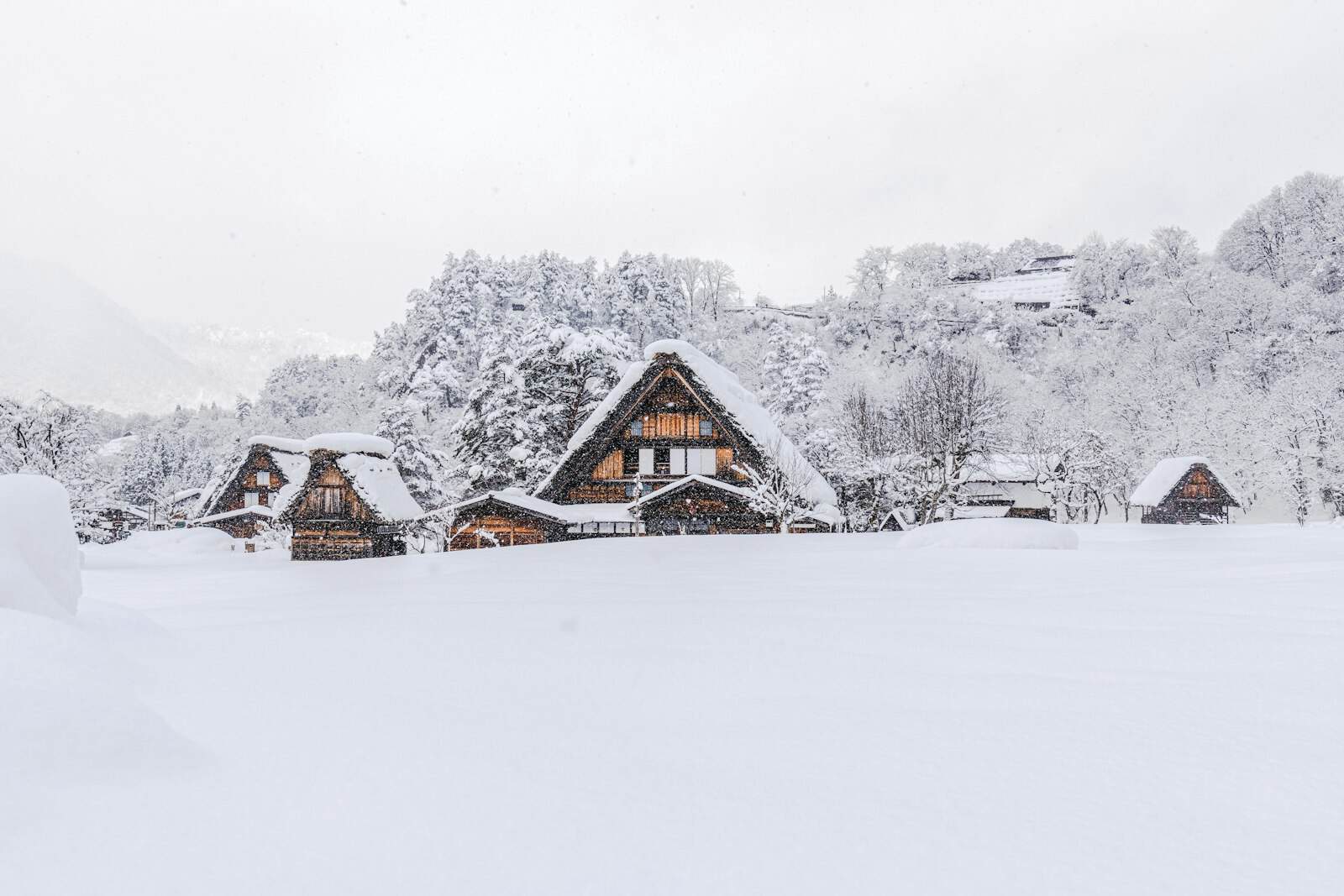
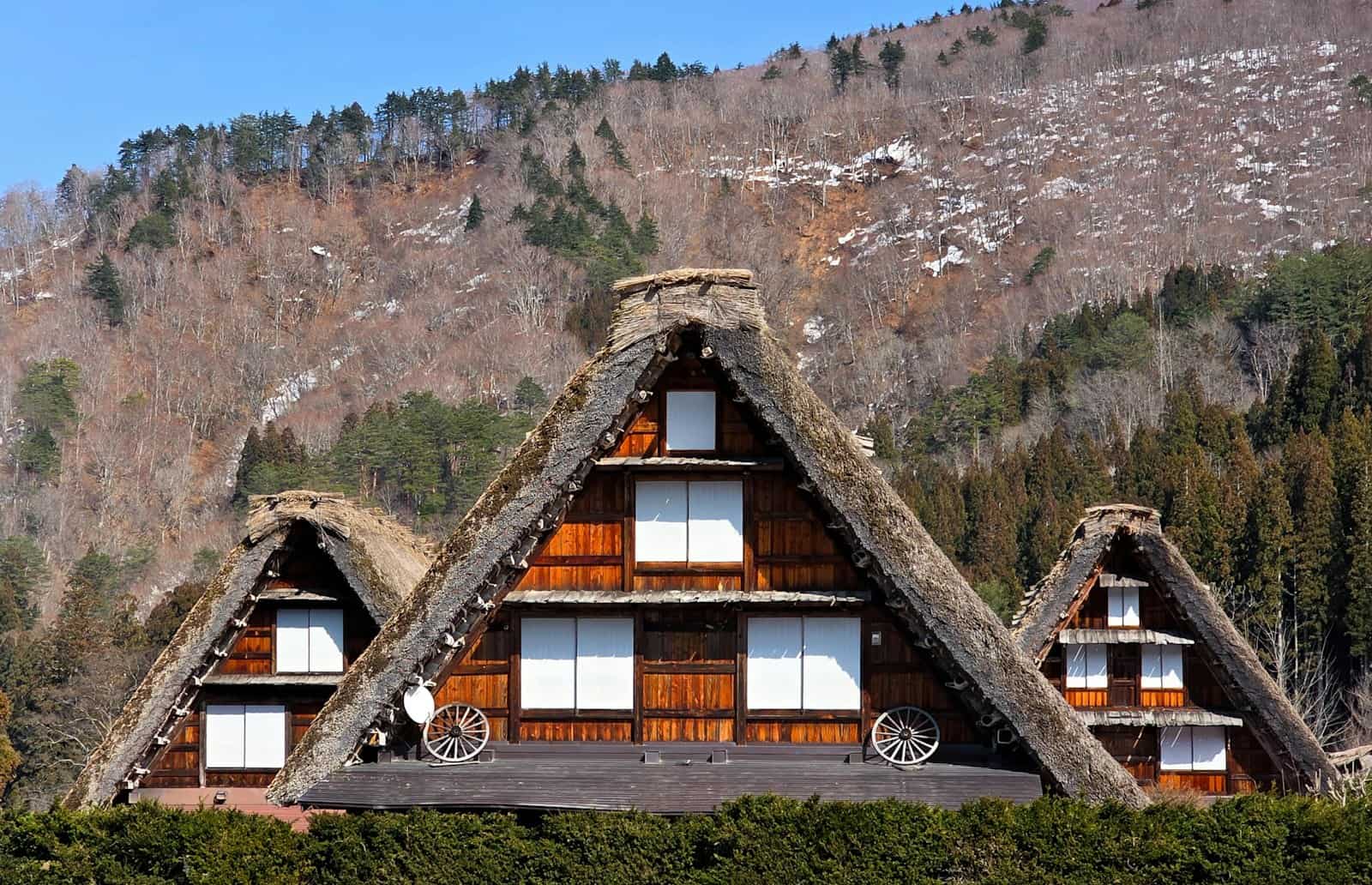
Shirakawa-go, in the remote Shogawa valley, developed differently. Families built large gassho-zukuri farmhouses. Their steep thatched roofs resemble hands joined in prayer and shed heavy snow. Upper floors were used for silkworm farming. In 1995, Shirakawa-go and nearby Gokayama were listed as a UNESCO World Heritage Site.
Historic sites in Takayama
Sanmachi Suji
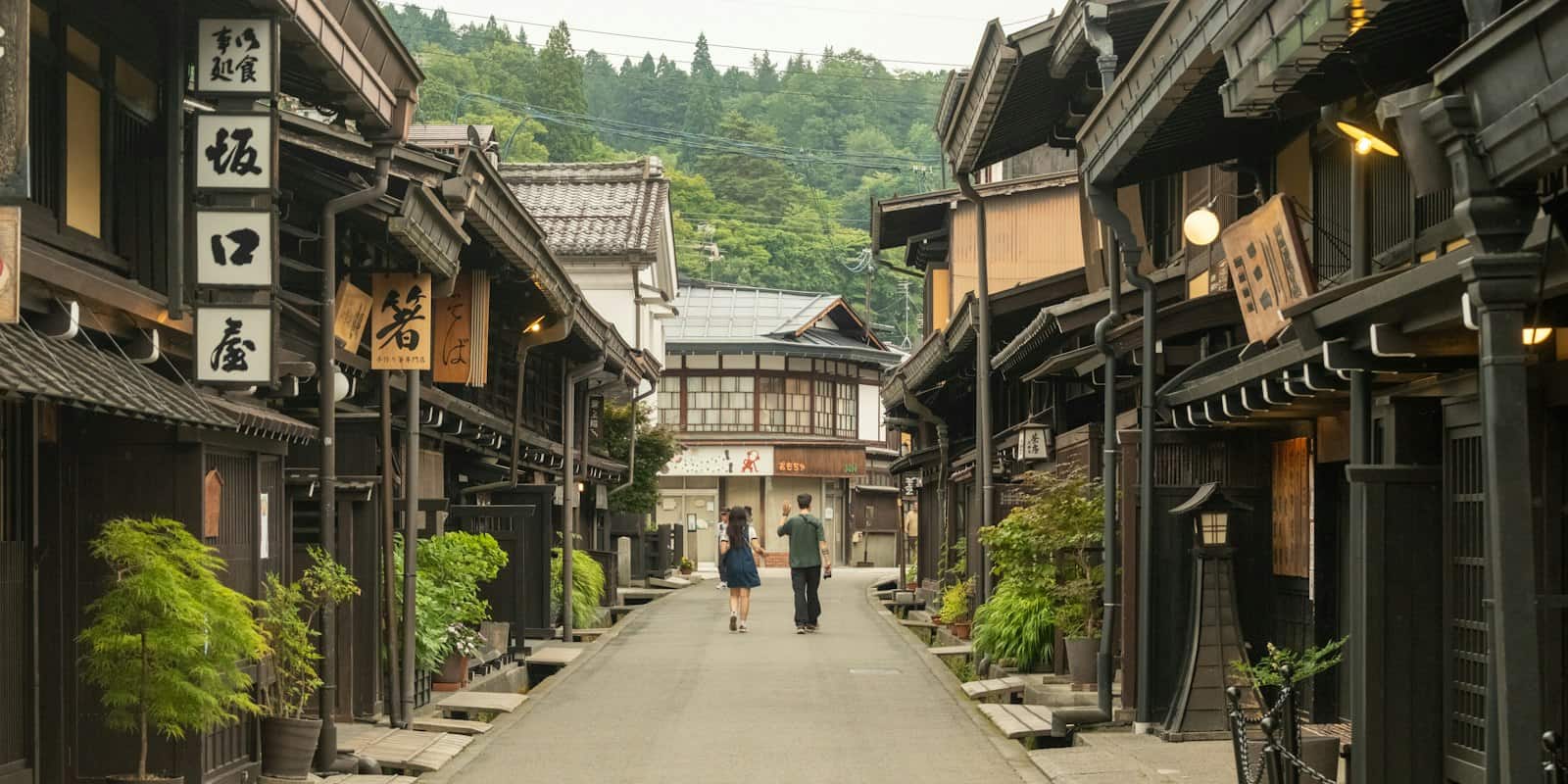
Sanmachi Suji is Takayama’s old merchant quarter. Dark wooden houses line narrow streets, with sake breweries marked by cedar balls hanging over their doors. Many now hold craft shops, cafes and small museums.
Takayama Jinya
The Takayama Jinya was the local government office of the shogunate. It is the only building of its kind that survives in Japan. Inside, you can see tatami offices, a rice storehouse and the room where cases were judged.
Hida Folk Village
This open-air museum gathers traditional farmhouses from across the Hida region. It is an easy way to understand gassho-zukuri architecture before visiting Shirakawa-go.
The Takayama Festival
The Takayama Festival is held twice a year, in spring and autumn. Ornate festival floats parade through town, some with mechanical puppets. These float festivals are recognized by UNESCO as Intangible Cultural Heritage. Hotels fill up months ahead, so plan early.
Shirakawa-go
Ogimachi village
Ogimachi is the largest gassho-zukuri village. Families still live in many of the houses. Some are open as small museums, where you can climb into the roof space and see how they were built.
Shiroyama viewpoint
A short walk or shuttle takes you up to the Shiroyama viewpoint. From here, you see the whole village and its rice fields. It is the classic photo of Shirakawa-go, in every season.
Winter in Shirakawa-go
In winter, deep snow covers the thatched roofs. On selected evenings, the village is lit up. These evenings are extremely popular and often require advance reservations.
Food to try
- Hida beef: a premium wagyu, often served as sushi, skewers or grilled on a magnolia leaf with miso.
- Takayama ramen: a light soy-based ramen with thin, curly noodles.
- Mitarashi dango: rice dumplings grilled with soy sauce, sold at street stalls.
- Local sake: Takayama’s breweries offer tastings in the old town.
Morning markets
Takayama has two morning markets, along the Miyagawa River and in front of the Jinya. Local farmers sell vegetables, pickles, miso and crafts. Go early, as most stalls close by midday.
Where to stay
Stay in central Takayama for easy walks to the old town. A ryokan with an onsen is a good choice after a day of sightseeing. In Shirakawa-go, a few farmhouses offer simple overnight stays, which book out quickly.
Getting around
Takayama’s old town is compact and walkable. Buses connect Takayama, Shirakawa-go and Kanazawa. For groups, a private coach allows a smooth Takayama, Shirakawa-go and Kanazawa route in one day.
Sample two-day itinerary
Day 1: Takayama
Visit the morning market. Then explore Sanmachi Suji and the Takayama Jinya. In the afternoon, see the Hida Folk Village.
Day 2: Shirakawa-go
Travel to Shirakawa-go in the morning. Walk through Ogimachi and up to the viewpoint. Continue to Kanazawa in the afternoon.
Combining the Japan Alps with Kanazawa and Kyoto? We plan coach routes, ryokan stays and festival timing. Request a quote and we will reply within 24 hours.
Takayama and Shirakawa-go travel FAQ
How long do you need in Takayama?
One night is enough for the old town and morning market. Add a day for Shirakawa-go.
Can you visit Shirakawa-go as a day trip?
Yes. Buses run from Takayama and Kanazawa. Many travelers visit on the way between the two.
Do people still live in Shirakawa-go?
Yes. Many gassho-zukuri houses are private homes, so please respect residents and stay on public paths.
When is the Takayama Festival?
It is held in spring and autumn each year. Check exact dates and book accommodation well in advance.
What is gassho-zukuri?
A style of farmhouse with steep thatched roofs that shed heavy snow. The name refers to hands joined in prayer.
Plan your Takayama and Shirakawa-go trip
Private trips, group tours, school programs and incentives. Tell us your dates and ideas, and we will reply within 24 hours.