
Hakone and Mt Fuji Travel Guide
Hakone and Mt Fuji Travel Guide Hot springs, a historic highway and Japan’s sacred mountain. Best time to goOctober to February for the clearest views of Mt Fuji. Spring and autumn for scenery. How long to stayOne night minimum. Two […]
Hakone and Mt Fuji Travel Guide
Hot springs, a historic highway and Japan’s sacred mountain.
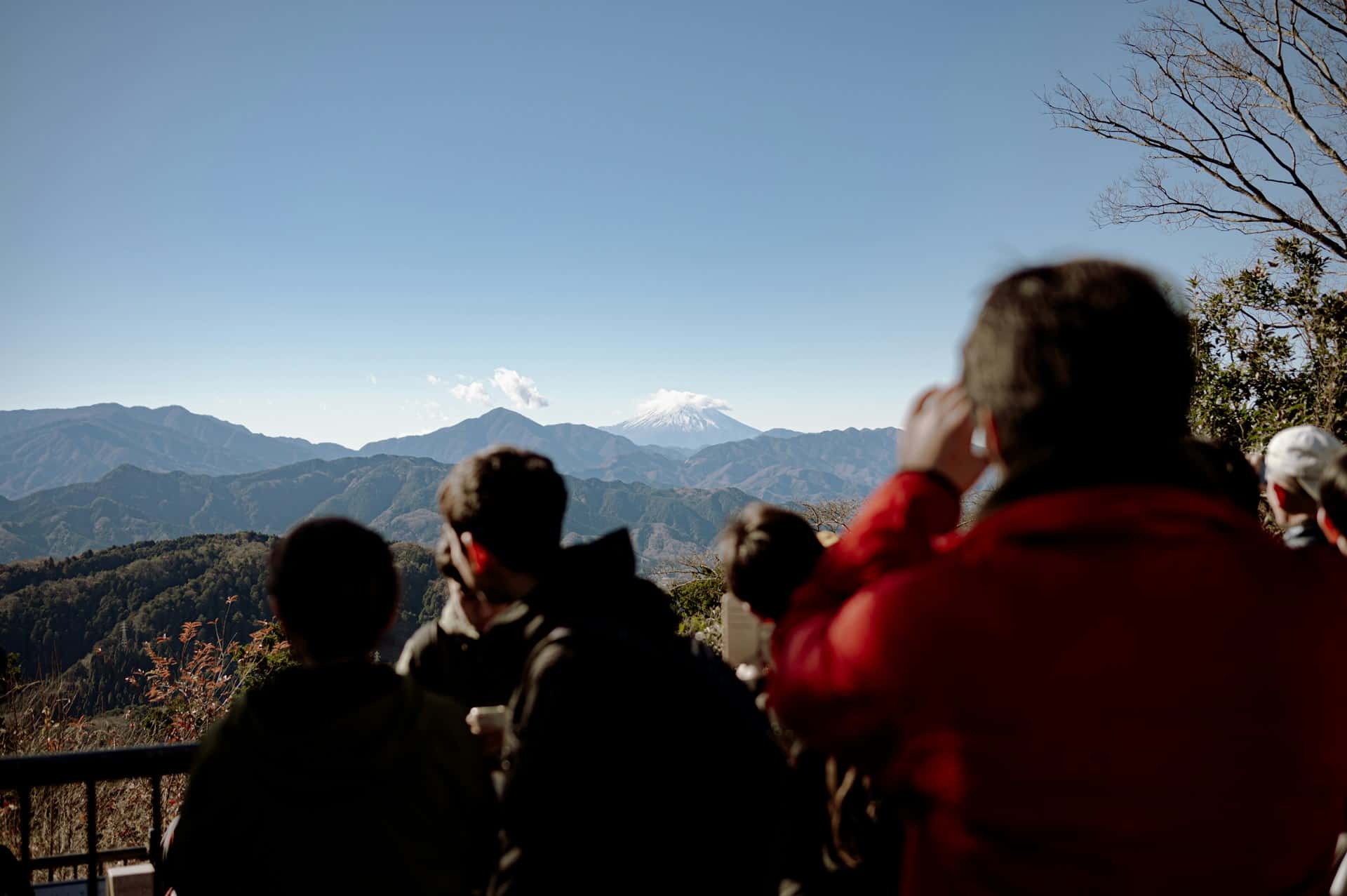
Hakone and the Mt Fuji area are Japan’s classic escape from Tokyo. Here you will find hot spring inns, volcanic valleys, lakes and forests. On a clear day, Mt Fuji rises above it all. In addition, this region has deep historic roots along the old Tokaido highway.
This guide covers the area’s history, shrines and museums. It also covers onsen, ryokan and how to plan your stay.
A short history of Hakone and Mt Fuji
Mt Fuji has been sacred in Japan for centuries. Pilgrims climbed it as an act of worship, and shrines were built around its base. It has also inspired countless poems and woodblock prints, including Hokusai’s famous series of views. In 2013, Mt Fuji was listed as a UNESCO World Cultural Heritage Site.
Hakone sat on the Tokaido, the main highway between Edo and Kyoto. In 1619, the shogunate built a checkpoint here. Travelers had to show permits, and guards watched closely for weapons and women leaving Edo. Afterward, Hakone’s hot springs made it a resort for travelers and, later, for international visitors in the Meiji era.
Shrines and historic sites
Hakone Shrine
Hakone Shrine stands in a cedar forest on the shore of Lake Ashi. Its red torii gate rises from the water, with Mt Fuji behind on clear days. Samurai leaders, including Minamoto no Yoritomo, prayed here.
Hakone Checkpoint
The Hakone Checkpoint has been carefully reconstructed beside Lake Ashi. Guardhouses, gates and a small museum show how travel was controlled in the Edo period. Nearby, a stretch of the old cedar-lined highway is still walkable.
Fujiyoshida and Chureito Pagoda
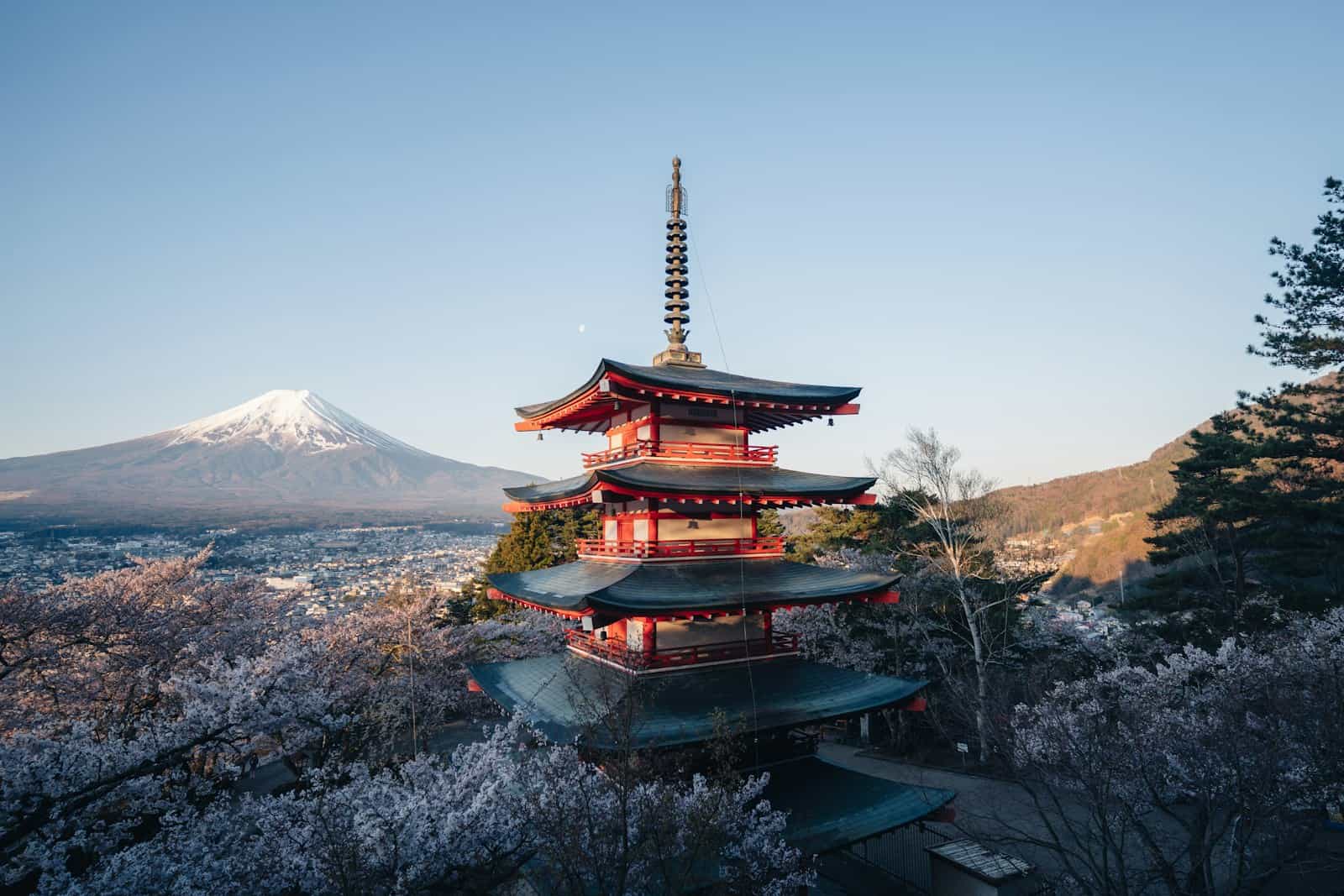
On the Fuji Five Lakes side, Kitaguchi Hongu Fuji Sengen Shrine was a traditional starting point for pilgrims. Close by, the Chureito Pagoda frames Mt Fuji with cherry trees in spring and red maples in autumn.
Museums and nature
Hakone Open-Air Museum
Opened in 1969, this museum displays sculptures across landscaped lawns with mountain views. It also has a large Picasso collection. Kids and adults both enjoy it.
Owakudani
Owakudani is a volcanic valley of steam vents and sulfur. Eggs boiled in the hot springs turn black, and locals say each one adds years to your life. Access can close when volcanic activity rises, so check before you go.
Lake Ashi and Lake Kawaguchi
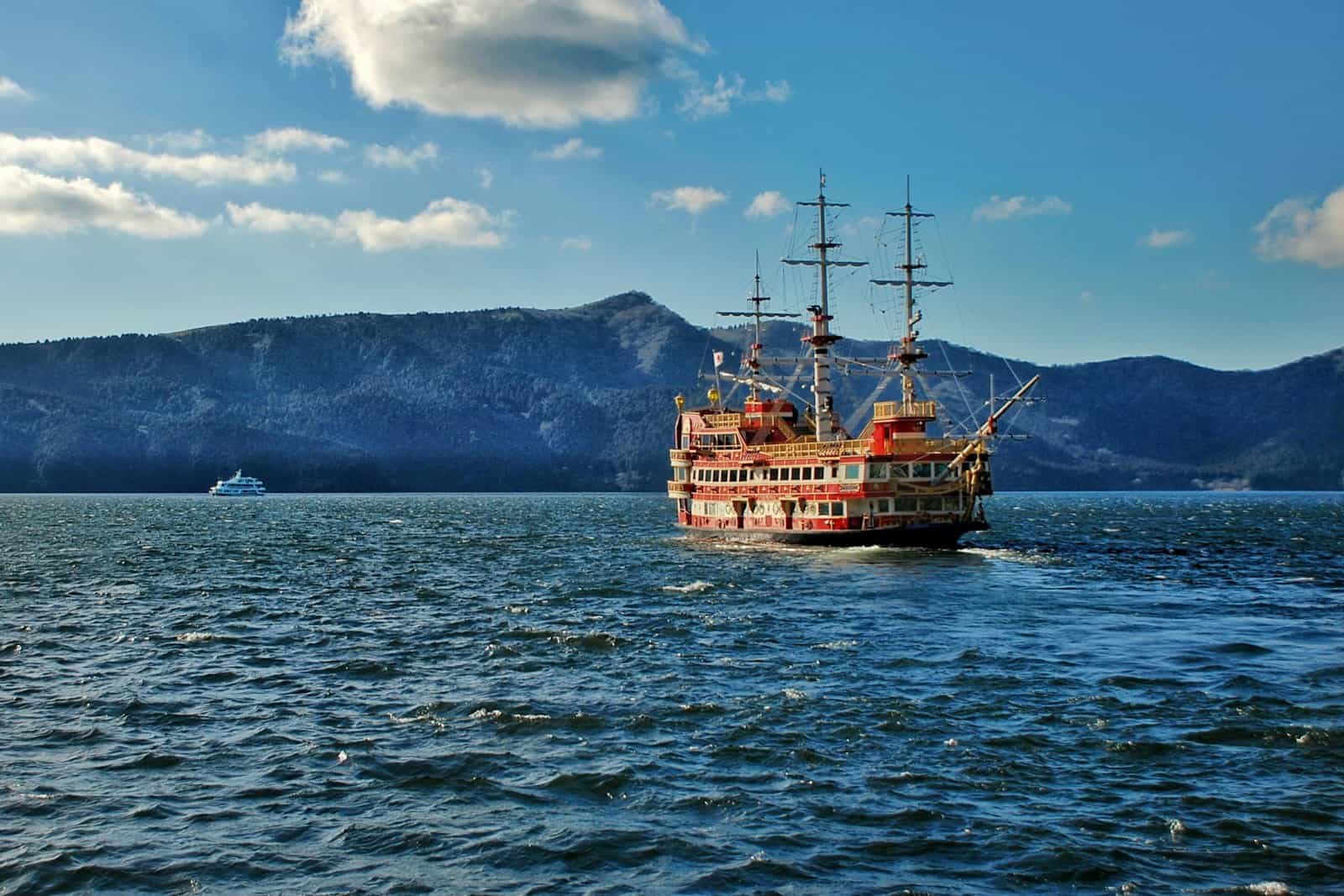
A sightseeing cruise on Lake Ashi links the ropeway with Hakone Shrine. Meanwhile, Lake Kawaguchi on the Fuji side offers some of the closest lakeside views of the mountain.
Onsen and ryokan
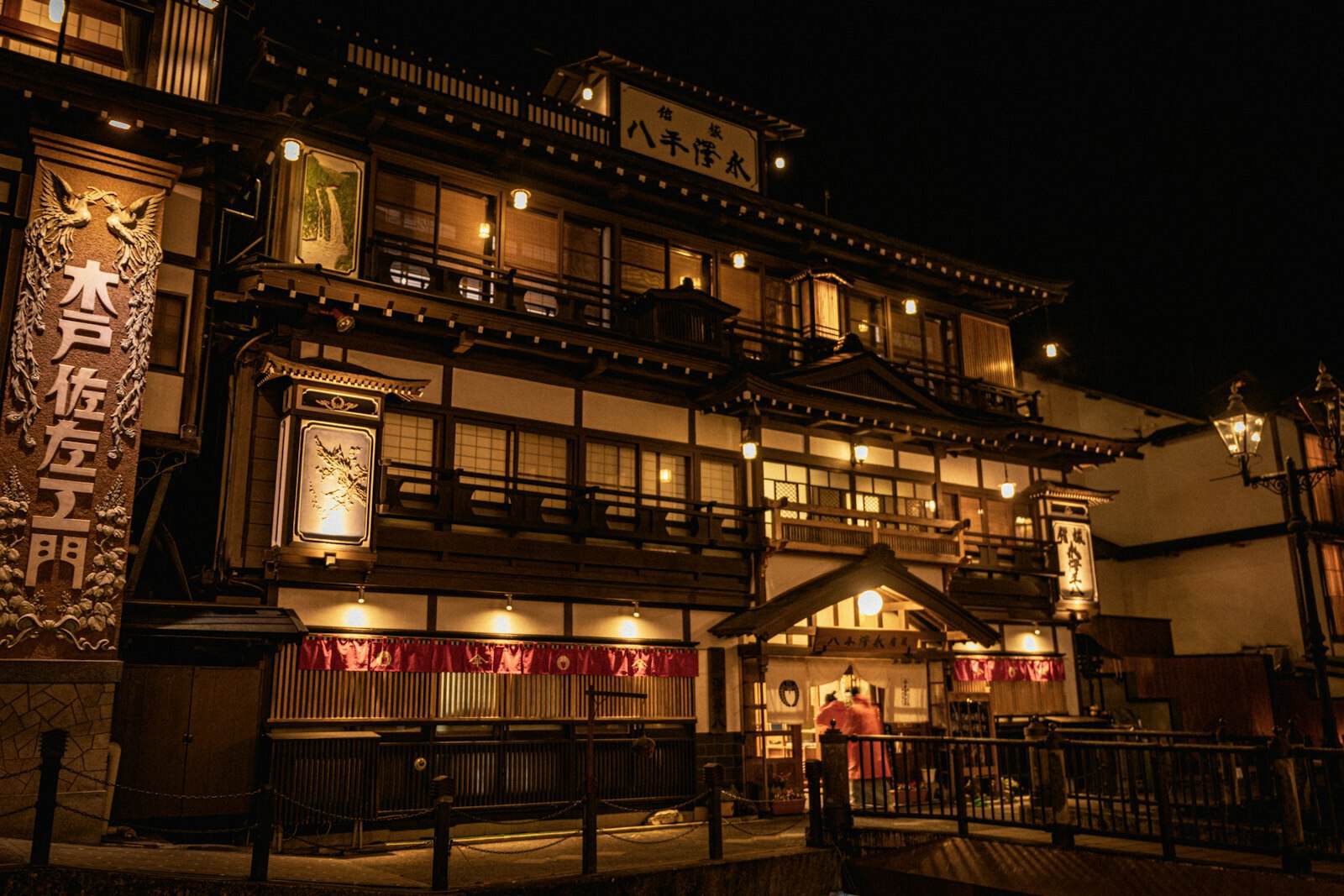
A night at a ryokan is the highlight for many visitors. You bathe in hot spring water, wear a yukata and enjoy a seasonal kaiseki dinner. Some ryokan have private open-air baths, which suit families and travelers with tattoos.
Climbing Mt Fuji
The official climbing season runs from early July to early September. Outside this period, climbing is dangerous and not permitted on the main trails. In addition, climbing fees and daily limits now apply on some trails, so check the latest rules before planning.
Food to try
- Kuro-tamago: black eggs boiled in Owakudani’s hot springs.
- Hoto noodles: thick noodles in a miso stew, a Fuji area specialty.
- Kaiseki: the seasonal multi-course dinner served at ryokan.
- Yosegi sweets: Hakone is known for wooden marquetry, and shops sell sweets in yosegi boxes.
Getting around
The Hakone loop uses a mountain train, cable car, ropeway and lake cruise. It is fun, but busy at peak times. For groups and families with luggage, a private coach and luggage forwarding make the trip much easier.
Sample two-day itinerary
Day 1: Hakone
Arrive from Tokyo and visit the Open-Air Museum. Next, ride up to Owakudani and cruise Lake Ashi. Finally, check in to your ryokan for dinner.
Day 2: Mt Fuji
Visit Hakone Shrine early. Then travel to Lake Kawaguchi and the Chureito Pagoda. Return to Tokyo or continue to Kyoto.
Adding Hakone and Mt Fuji to your trip? We book ryokan, private coaches and luggage forwarding. Request a quote and we will reply within 24 hours.
Hakone and Mt Fuji travel FAQ
When can you see Mt Fuji?
Clear views are most likely from October to February, especially early in the morning. In summer, the mountain is often hidden by clouds.
How many days do you need in Hakone?
One night is the minimum. Two nights allows time for both Hakone and the Fuji Five Lakes.
Can you climb Mt Fuji?
Yes, during the official season from early July to early September. Climbing fees and daily limits apply on some trails.
Can people with tattoos use onsen in Hakone?
Some public baths do not allow tattoos. Private baths at ryokan are a simple alternative.
Why is Mt Fuji sacred?
Mt Fuji has been worshipped in Shinto and Buddhist traditions for centuries. It is listed by UNESCO as a cultural, not natural, site for this reason.
Plan your Hakone and Mt Fuji trip
Private trips, group tours, school programs and incentives. Tell us your dates and ideas, and we will reply within 24 hours.