
Hiroshima and Miyajima Travel Guide
Hiroshima and Miyajima Travel Guide Peace, history and the floating torii of Itsukushima Shrine. Best time to goMarch to May and October to November. Check tide times for Miyajima. How long to stayOne full day minimum. Two days allows an […]
Hiroshima and Miyajima Travel Guide
Peace, history and the floating torii of Itsukushima Shrine.
Hiroshima is a city of peace and remembrance. Yet it is also a lively, green city with a castle, a historic garden and excellent food. Just offshore, the island of Miyajima holds one of Japan’s most famous sights, the floating torii of Itsukushima Shrine.
This guide covers Hiroshima’s history, its peace sites, Miyajima’s shrine and temples, food, and how to plan your visit.
A short history of Hiroshima
In 1589, the warlord Mori Terumoto founded Hiroshima as a castle town on the delta of the Ota River. The city grew into an important regional center. Later, in the modern era, it became a major military and industrial city.
On August 6, 1945, Hiroshima became the first city struck by an atomic bomb. Much of the city was destroyed and tens of thousands of people were killed. Afterward, Hiroshima was rebuilt as a City of Peace. Today, it is a modern, welcoming city that shares its story to promote peace.
Peace sites in Hiroshima
Atomic Bomb Dome
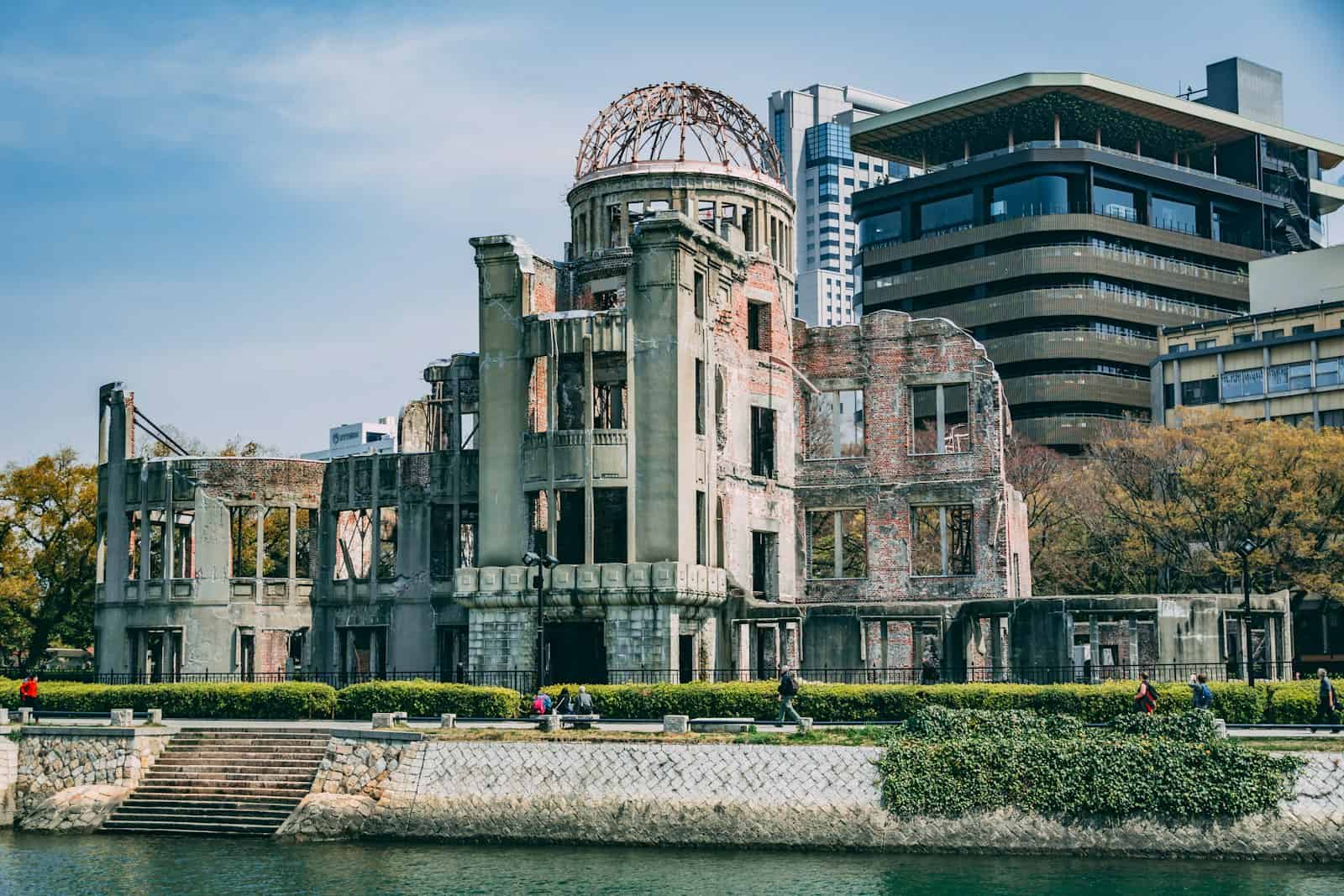
The Atomic Bomb Dome was once the Hiroshima Prefectural Industrial Promotion Hall. It is one of the few buildings that partly survived near the hypocenter. It was listed as a UNESCO World Heritage Site in 1996.
Peace Memorial Park and Museum
The Peace Memorial Park includes the Cenotaph, the Flame of Peace and the Children’s Peace Monument. The Peace Memorial Museum tells the story of the bombing through personal objects and survivor testimony. It is moving and intense, so allow at least two hours.
Historic Hiroshima
Hiroshima Castle
Hiroshima Castle, also called Carp Castle, was destroyed in 1945. Its main keep was later reconstructed. The grounds, moats and walls are pleasant to walk, especially in cherry blossom season.
Shukkeien Garden
Shukkeien was created in 1620 for the lord of Hiroshima. Its name means “shrunken scenery garden”. Paths circle a pond with islands, bridges and teahouses, designed to recreate famous landscapes in miniature.
Miyajima and Itsukushima Shrine
Itsukushima Shrine
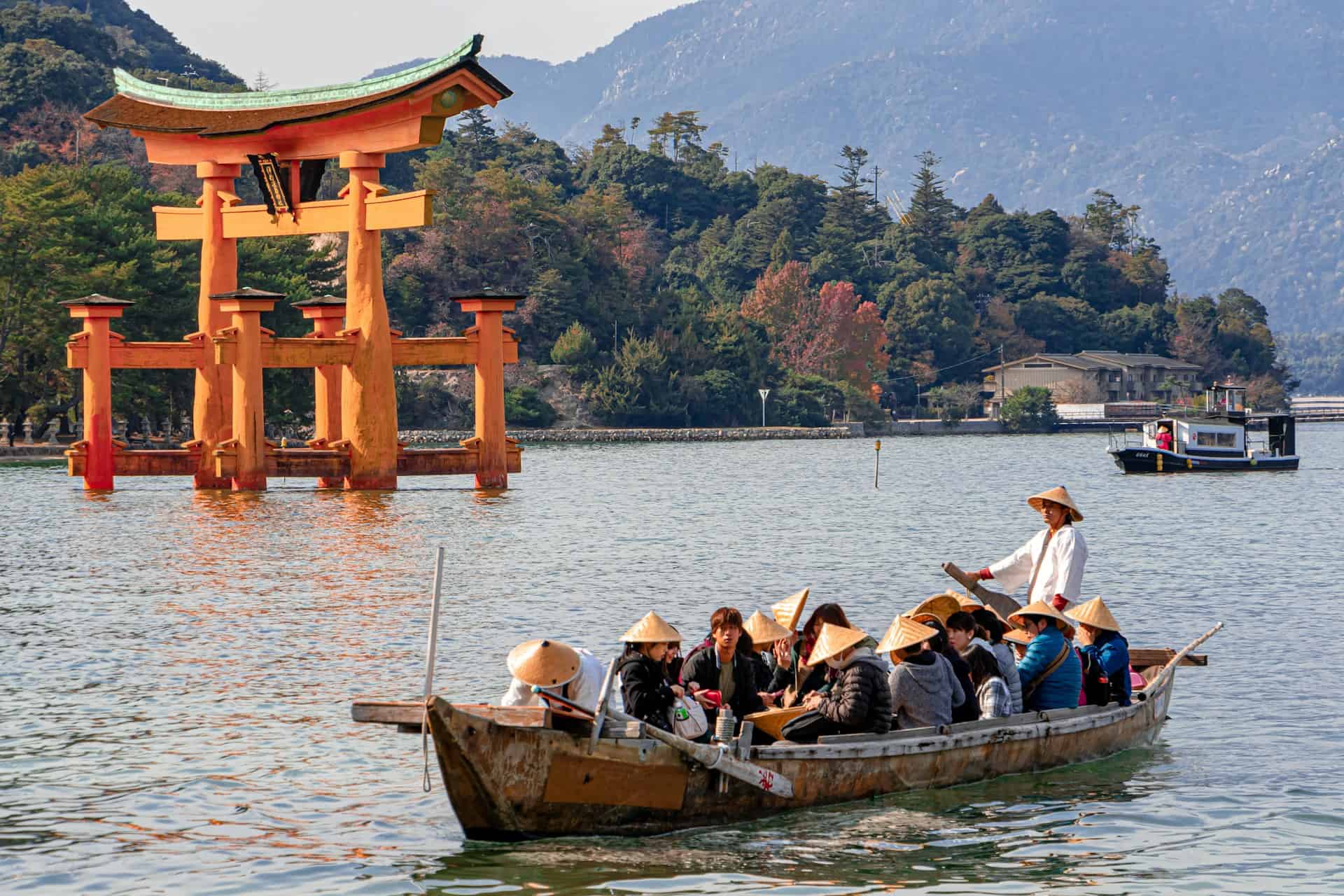
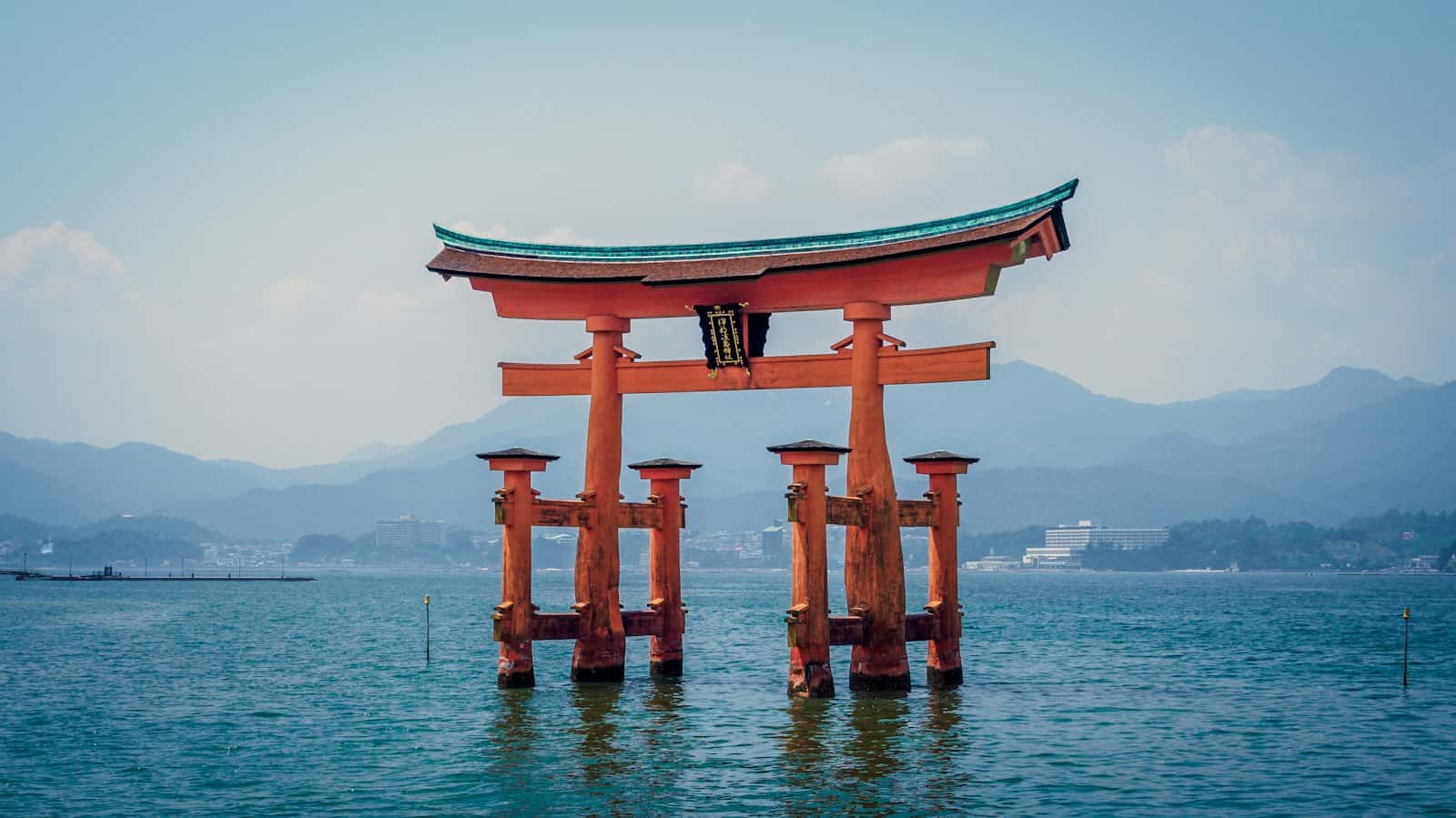
Itsukushima Shrine dates back to the late 500s. In 1168, the warlord Taira no Kiyomori built it in its present form. The shrine stands over the water on wooden piers. At high tide, its great torii gate appears to float. At low tide, you can walk out to it. The shrine is a UNESCO World Heritage Site.
Daisho-in and Mt Misen
Daisho-in is an atmospheric temple at the foot of Mt Misen, with hundreds of small statues. From here, hiking trails and a ropeway lead up the mountain. The summit offers views across the islands of the Seto Inland Sea.
Omotesando and the island streets
Miyajima’s main shopping street sells grilled oysters and momiji manju, maple-shaped cakes. Wild deer wander freely. Note that a small visitor fee applies to everyone visiting the island.
Food to try in Hiroshima
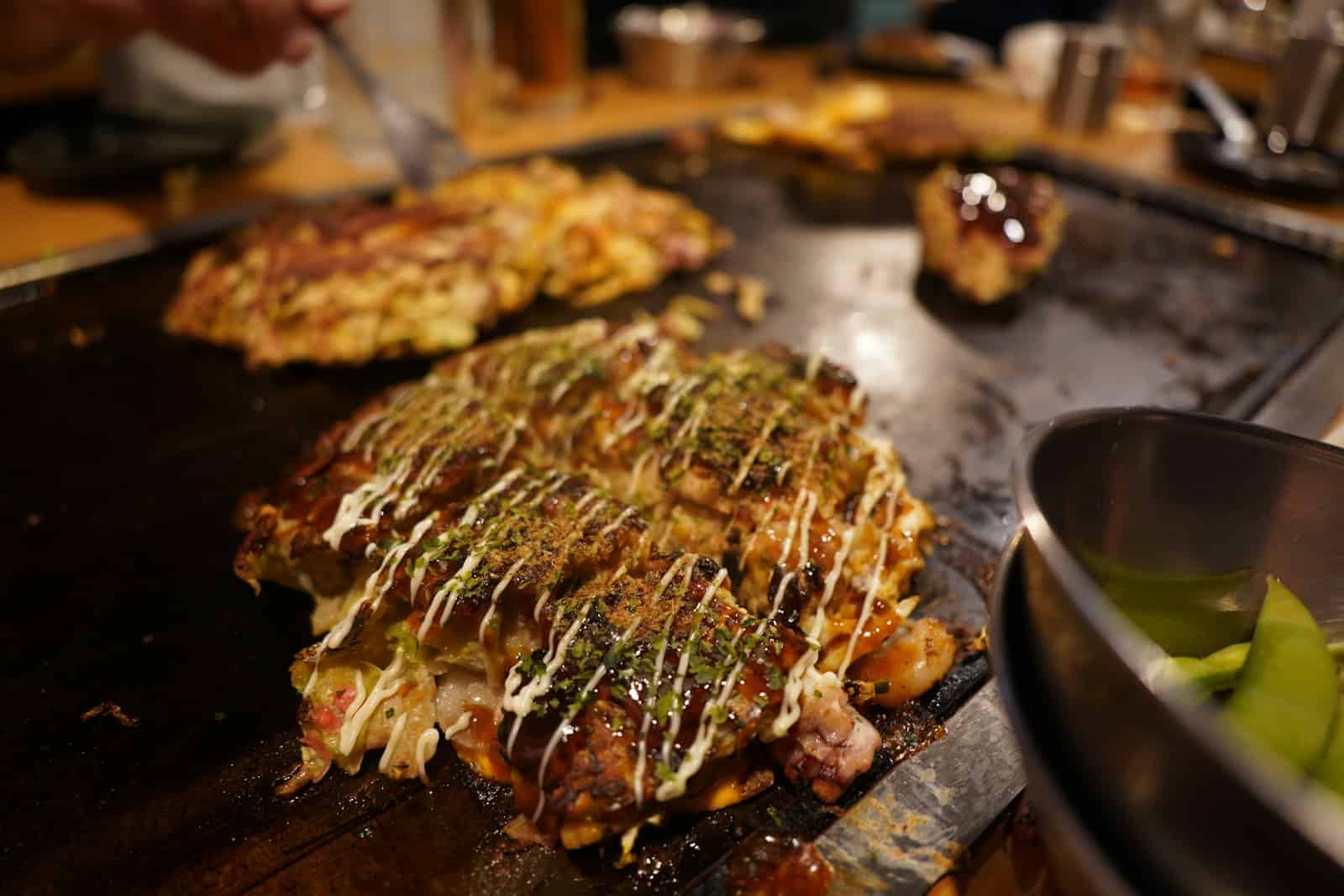
- Hiroshima okonomiyaki: layered with cabbage, noodles and egg, unlike the Osaka style.
- Oysters: Hiroshima Bay is Japan’s best-known oyster region.
- Momiji manju: maple-leaf cakes, a classic Miyajima souvenir.
- Anago-meshi: grilled conger eel over rice, a Miyajima specialty.
Where to stay
Most travelers stay in central Hiroshima near Peace Memorial Park or Hiroshima Station. However, a night on Miyajima is special. After the day visitors leave, the island becomes quiet and the shrine is lit at night.
Getting around
Hiroshima’s streetcars run to the Peace Memorial Park. To reach Miyajima, take a train to Miyajimaguchi and a short ferry across. For groups, we arrange coach transfers and ferry timing around the tides.
Sample one-day itinerary
Start at the Peace Memorial Park and Museum in the morning. After an okonomiyaki lunch, travel to Miyajima. Visit Itsukushima Shrine, then walk to Daisho-in before the evening ferry.
Adding Hiroshima to a Japan program? We arrange guides, peace education programs for schools, and tide-timed Miyajima visits. Request a quote and we will reply within 24 hours.
Hiroshima and Miyajima travel FAQ
How long do you need in Hiroshima?
One full day covers the Peace Memorial Park and Miyajima. Two days allows a slower pace and a night on the island.
Is it respectful to visit Hiroshima as a tourist?
Yes. The city welcomes visitors and shares its history to promote peace. Visitors are asked to be quiet and respectful at memorial sites.
When does the Miyajima torii float?
The torii appears to float at high tide. At low tide, you can walk to its base. Check local tide tables when planning.
Is there a fee to visit Miyajima?
Yes. A small visitor fee applies to everyone visiting the island, usually collected with the ferry ticket.
How do you get from Hiroshima to Miyajima?
Take a train or streetcar to Miyajimaguchi, then a ferry of about 10 minutes to the island.
Plan your Hiroshima and Miyajima trip
Private trips, group tours, school programs and incentives. Tell us your dates and ideas, and we will reply within 24 hours.