
Tokyo
Tokyo Travel Guide Shogun history, temples, museums, food and neighborhoods, planned by a Japan DMC. Best time to goLate March to early April for cherry blossoms. October and November for clear, mild days. How long to stayThree to four days […]
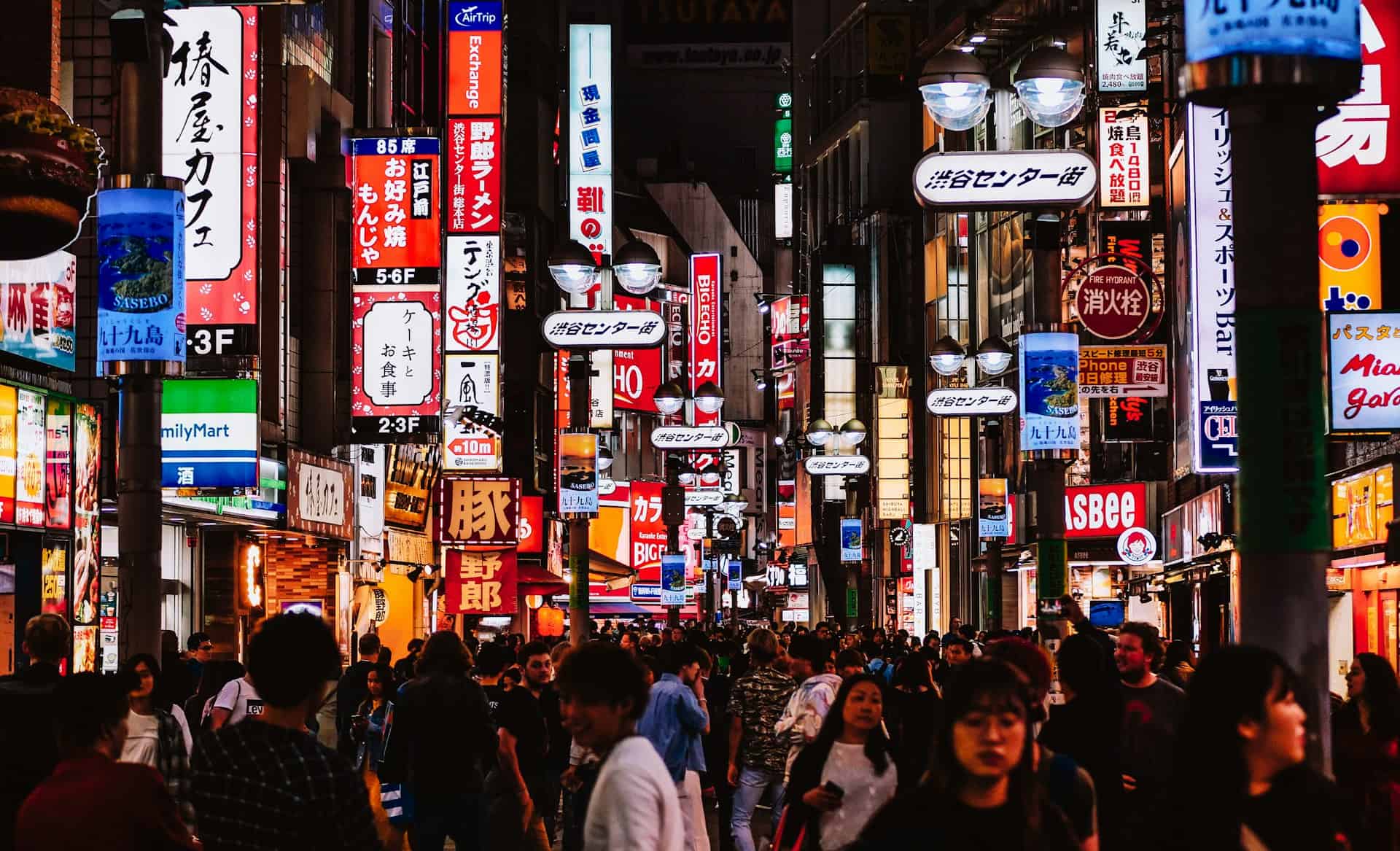
Tokyo Travel Guide
Shogun history, temples, museums, food and neighborhoods, planned by a Japan DMC.
Tokyo is Japan’s capital and one of the largest cities in the world. Yet it is also a city of quiet temple gardens, old merchant streets and four centuries of history. Most visitors arrive for the energy. They return for the detail: a 1,400-year-old temple, a shogun’s castle walls, and a sushi counter with eight seats.
This guide covers Tokyo’s history, its best temples and museums, the neighborhoods worth your time, and where to eat. It also includes a sample three-day plan.
A short history of Tokyo
Tokyo began as Edo, a small fishing village on a wide bay. In 1603, Tokugawa Ieyasu became shogun and made Edo his base. As a result, a castle town grew quickly around Edo Castle. By the 1700s, Edo was one of the largest cities in the world.
The Tokugawa shoguns ruled Japan for more than 250 years. During this time, Edo developed its own culture. Kabuki theater, woodblock prints and early sushi stalls all flourished here. Meanwhile, the emperor remained in Kyoto, which had been the imperial capital since 794.
In 1868, the Meiji Restoration ended shogun rule. Edo was renamed Tokyo, meaning “eastern capital”, and the emperor moved into the former Edo Castle. Tokyo then rebuilt twice: after the 1923 Great Kanto Earthquake and again after 1945. Today, traces of old Edo survive in temples, gardens and shitamachi, the old downtown districts.
Temples and shrines in Tokyo
Senso-ji, Asakusa
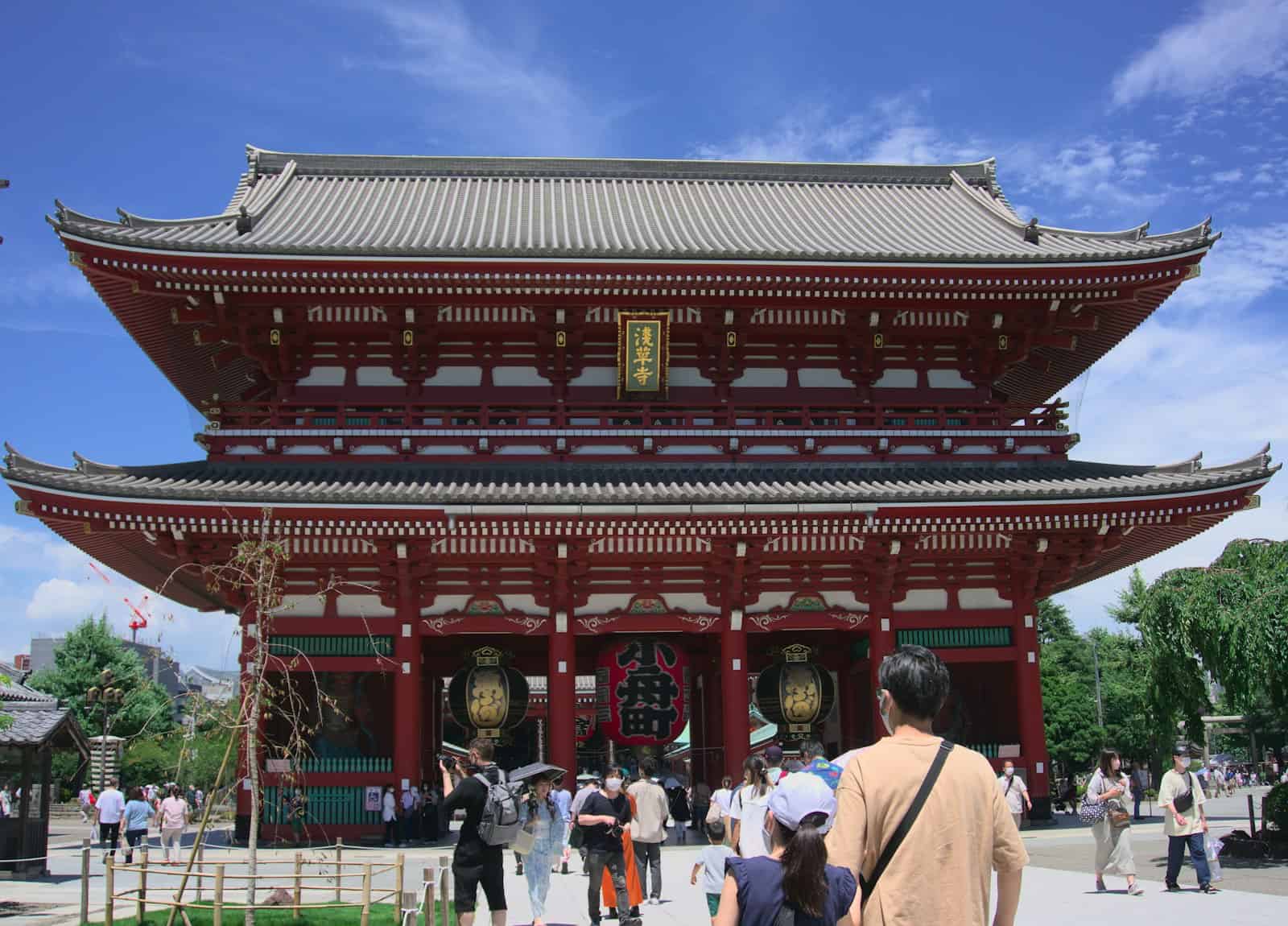
Senso-ji is Tokyo’s oldest temple. According to legend, two fishermen found a statue of Kannon in the Sumida River in 628. Kannon is the Buddhist goddess of mercy. The temple was later built to honor it. Today, you enter through the Kaminarimon, or Thunder Gate, with its giant red lantern. Then you walk along Nakamise, a shopping street selling sweets, fans and souvenirs, before reaching the main hall.
Meiji Jingu
Meiji Jingu is a Shinto shrine dedicated to Emperor Meiji and Empress Shoken. It was completed in 1920. The shrine sits inside a forest of about 100,000 trees, all planted by hand. In fact, the forest now feels completely natural. It is a calm contrast to nearby Harajuku and Omotesando.
Zojo-ji
Zojo-ji was the family temple of the Tokugawa shoguns. Six shoguns are buried here. Its large Sangedatsumon gate dates from the early 1600s. In addition, the temple sits beneath Tokyo Tower, which makes it a striking photo of old and new Tokyo.
Kanda Myojin and Yushima Seido
Kanda Myojin is a shrine that has protected the city for centuries. Merchants still visit it to pray for business success. Next door, Yushima Seido was the shogunate’s Confucian academy. Together, they show how religion and learning shaped Edo.
Museums and historic sites
Tokyo National Museum
Founded in 1872, the Tokyo National Museum is the oldest museum in Japan. It holds more than 100,000 works of Japanese and Asian art, including dozens of National Treasures. Highlights include samurai armor and swords, Buddhist sculpture, kimono, lacquerware, ceramics and calligraphy. The Gallery of Horyu-ji Treasures holds ancient objects from one of Japan’s oldest temples. Allow at least half a day.
Imperial Palace and East Gardens
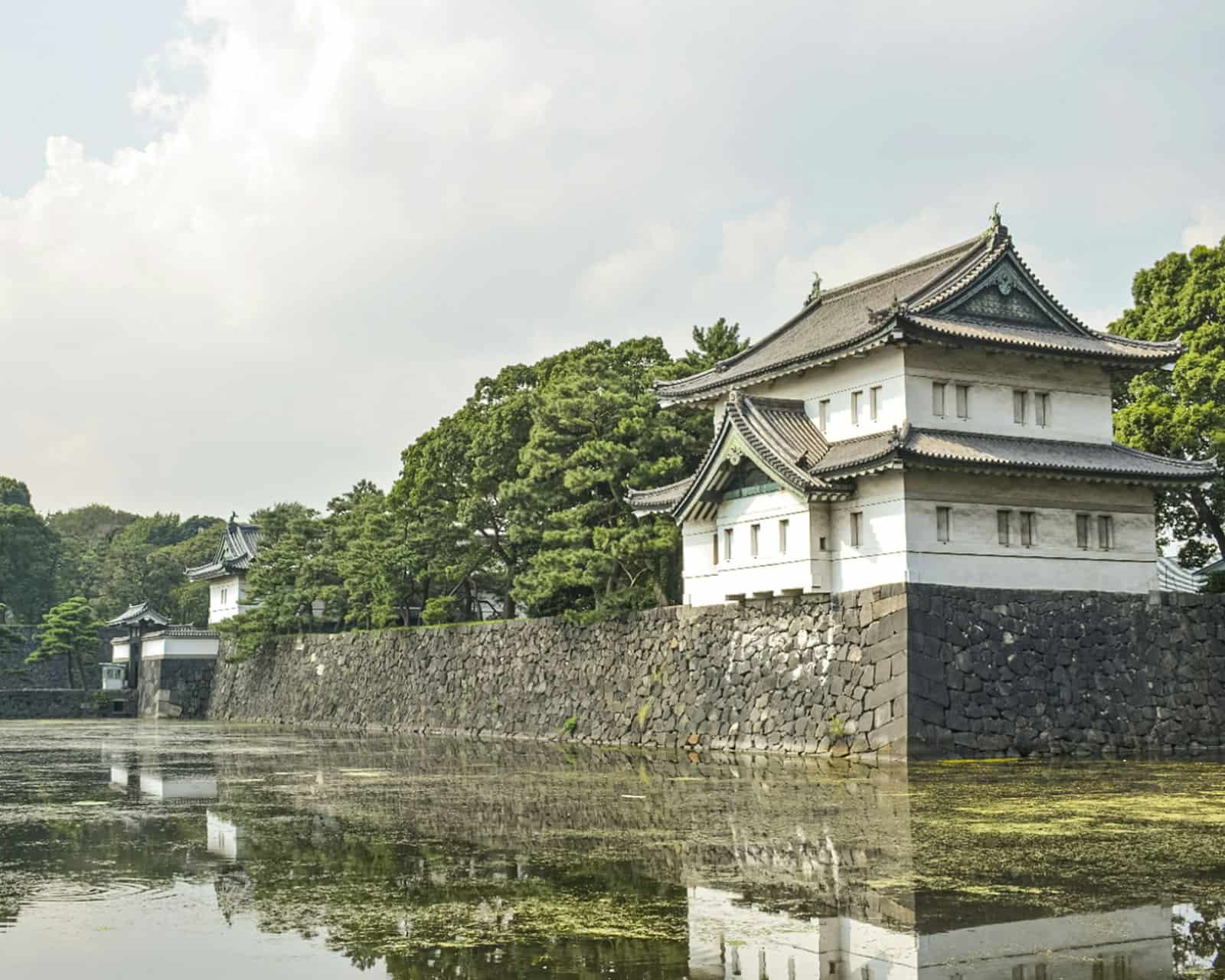
The Imperial Palace stands on the site of Edo Castle. The inner palace is the home of the Imperial Family, so most of it is closed to visitors. However, the East Gardens are open to the public. Here you can walk among the castle’s huge stone walls, moats and the base of the former main keep.
Ueno Park
Ueno Park holds several major museums in one walkable area. These include the Tokyo National Museum, the National Museum of Western Art and the National Museum of Nature and Science. In spring, it is also one of Tokyo’s most popular places for cherry blossom viewing.
Nihonbashi
Nihonbashi, or Japan Bridge, was the starting point of the five great highways of the Edo period. Distances across Japan were measured from here. Today, the area mixes historic department stores, old shops selling knives, nori and lacquer, and modern office towers.
Tokyo neighborhoods to explore
- Asakusa: Senso-ji, old craft shops and river cruises on the Sumida.
- Yanaka: a quiet old district of temples, wooden houses and small galleries.
- Ginza: Tokyo’s classic upscale shopping street, with flagship stores and department stores.
- Shibuya: the famous scramble crossing, youth fashion and rooftop views.
- Harajuku and Omotesando: street fashion on one side, designer architecture on the other, and Meiji Jingu in between.
- Shinjuku: skyscrapers, nightlife, Omoide Yokocho alleys and the Shinjuku Gyoen garden.
- Odaiba: a waterfront area with bay views, family attractions and evening views of Rainbow Bridge.
Food to try in Tokyo
Tokyo is one of the world’s great food cities. Still, some of the best meals are simple and inexpensive.
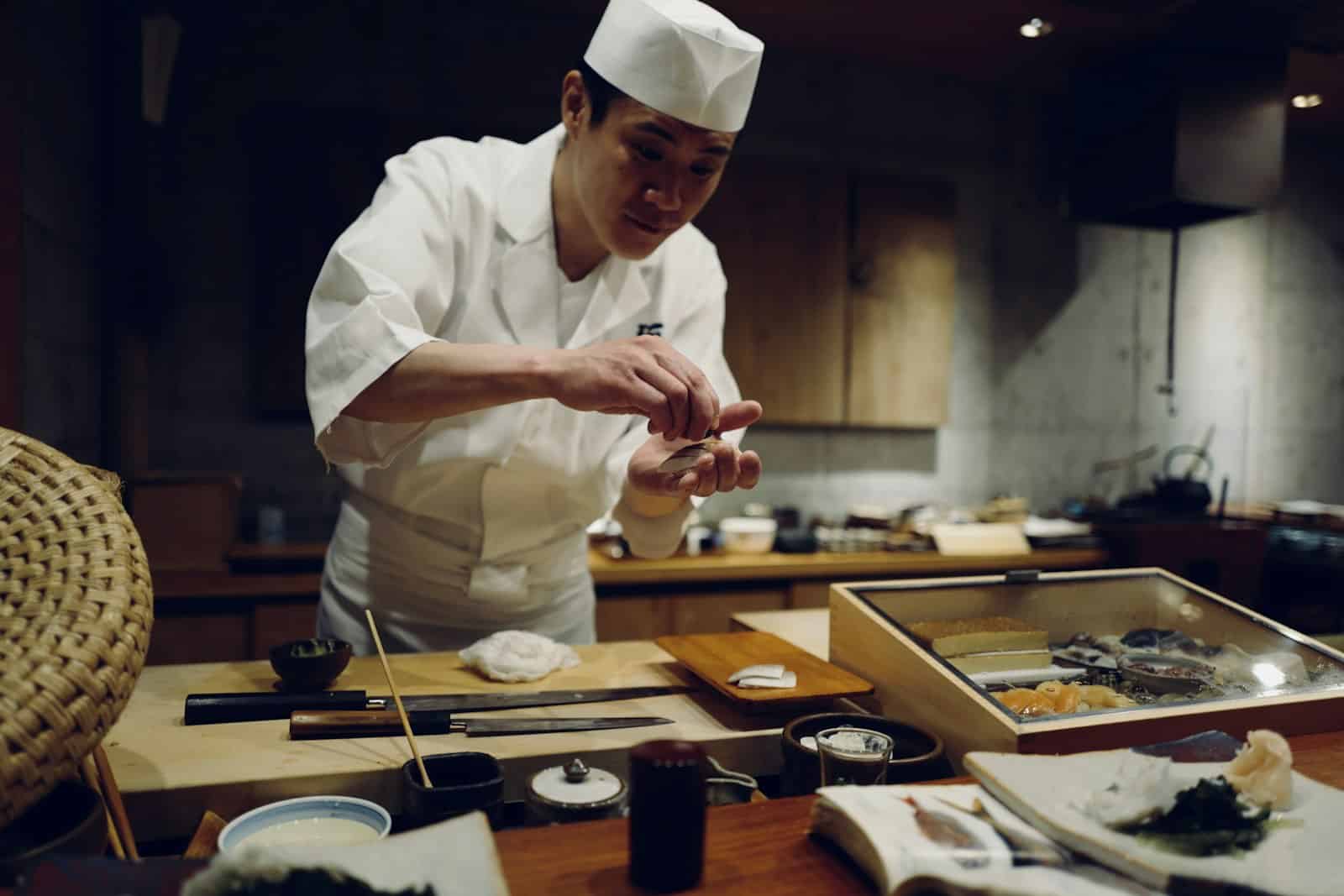
- Edomae sushi: the Tokyo style of sushi, born in the Edo period. Try a counter where the chef serves one piece at a time.
- Tsukiji Outer Market: the wholesale fish market moved to Toyosu in 2018. However, the outer market still has stalls selling seafood, tamagoyaki and knives.
- Toyosu Market: the modern wholesale market, with an early-morning tuna auction viewing area.
- Ameyoko, Ueno: a lively market street that started after World War II, with street food and bargains.
- Kappabashi: the kitchenware street, famous for knives and plastic food samples.
- Depachika: the food halls in department store basements, ideal for bento, sweets and gifts.
Where to stay in Tokyo
Choose your area based on your trip. For example, first-time visitors often prefer Ginza or Marunouchi near Tokyo Station, since shinkansen connections are easy. Shinjuku and Shibuya suit travelers who want nightlife and shopping. Meanwhile, Asakusa offers a more traditional atmosphere and good value. For groups, we match hotels to the itinerary, so transfers stay short.
Getting around Tokyo
Tokyo’s trains and subways reach almost everywhere. An IC card such as Suica or PASMO works on all of them. However, large stations like Shinjuku and Tokyo can be confusing at first, so allow extra time. For groups, a private coach is often easier between sights such as Asakusa, the Imperial Palace and Meiji Jingu.
Sample three-day Tokyo itinerary
Day 1: Old Edo
Start at Senso-ji in Asakusa early, before the crowds. Next, take a Sumida River cruise toward Hama-rikyu Gardens. Then explore Ginza and Nihonbashi in the afternoon.
Day 2: Museums and gardens
Spend the morning at the Tokyo National Museum in Ueno Park. After lunch at Ameyoko, walk through Yanaka. Finally, end the day with dinner in an izakaya.
Day 3: Modern Tokyo
Visit Meiji Jingu first, then walk down Omotesando. In the afternoon, see the Shibuya crossing. In the evening, enjoy the night views from Shinjuku.
Want this as a private or group program? We add guides, reserved transport and restaurant bookings, then combine Tokyo with Hakone, Kyoto or Nikko. Request a quote and we will reply within 24 hours.
Tokyo travel FAQ
How many days do you need in Tokyo?
Three to four days covers the main temples, museums and neighborhoods. Add a day for a trip to Nikko, Kamakura or Hakone.
What is the oldest temple in Tokyo?
Senso-ji in Asakusa is Tokyo’s oldest temple. Its history dates back to 628, when, according to legend, a statue of Kannon was found in the Sumida River.
Why was Tokyo called Edo?
Edo was the city’s original name. It became the shogun’s capital in 1603 and was renamed Tokyo, meaning “eastern capital”, in 1868.
Can you visit the Imperial Palace?
The inner palace is the private home of the Imperial Family. However, the East Gardens, with the old Edo Castle walls, are open to the public on most days.
Is Tsukiji Market still open?
The wholesale market moved to Toyosu in 2018. The Tsukiji Outer Market, with its food stalls and shops, is still open.
What is the best time to visit Tokyo?
Late March to early April is popular for cherry blossoms. October and November offer clear skies and comfortable temperatures.
Plan your Tokyo trip
Private trips, group tours, school programs and incentives. Tell us your dates and ideas, and we will reply within 24 hours.